Bringing a new baby home is a joyous occasion. You’ve spent weeks preparing the nursery, stocking up on diapers, and practicing those sleepy newborn cuddles. But as your little one grows and begins to explore their world, your focus shifts to a new, vital task: keeping them safe. It’s a moment many parents face, standing in their living room and suddenly seeing every sharp corner and accessible outlet as a potential hazard. This is where a comprehensive baby proofing kit becomes your best friend. This post will guide you through what to look for, how to use it effectively, and ensure your home is a secure haven for your curious explorer, saving you time and worry.
Key Takeaways
- Understand the essential components of a versatile baby proofing kit.
- Learn how to effectively install safety latches and locks on cabinets and drawers.
- Discover the importance of outlet covers and cord management solutions.
- Identify strategies for securing furniture and preventing tip-overs.
- Explore how edge and corner guards protect against bumps and bruises.
- Recognize the benefits of a well-chosen kit for creating a safe home environment.
Choosing Your Baby Proofing Kit
When it comes to making your home safe for a crawling or toddling child, a good baby proofing kit is your first line of defense. These kits are designed to address common household hazards that can pose a risk to curious little ones. Think of them as a toolkit for creating a secure environment, allowing your baby to explore and learn without you constantly hovering with anxiety.
A comprehensive kit typically includes a variety of items, each serving a specific purpose. You’ll often find cabinet and drawer latches, corner guards, outlet covers, and sometimes even door knob covers. The key is to select a kit that offers a good range of products to tackle different areas of your home.
What makes a kit “essential”? It’s about versatility and effectiveness. A good kit won’t just offer a few items; it will provide solutions for the most common risks. This includes preventing access to potentially dangerous items in cabinets, safeguarding against sharp corners on furniture, and ensuring electrical outlets are not a temptation for little fingers.
One of the main benefits of purchasing a kit is the convenience. Instead of buying individual safety items from various stores, you can get a curated selection that covers many bases in one go. This saves you time and often money, as kits are usually priced more affordably than purchasing each component separately.
Furthermore, many kits are designed with ease of installation in mind. They often come with clear instructions and necessary hardware, making it straightforward for parents to childproof their homes even if they aren’t particularly handy.
What’s Inside a Typical Baby Proofing Kit
A well-stocked baby proofing kit is like a secret weapon for parents. It contains the tools you need to transform your home into a safe playground for your little explorer. The variety of items ensures you can tackle different dangers your child might encounter as they start moving around.
Cabinet and drawer latches are usually a staple. These are crucial for preventing access to cleaning supplies, sharp objects, or anything else you don’t want your child to reach. They come in various styles, including adhesive ones and those that require minor drilling.
Outlet covers are another essential item. As babies become more mobile, they tend to touch everything, and unused electrical outlets can be a serious hazard. These covers simply fit over the outlets, making them inaccessible to tiny fingers.
Edge and corner guards are designed to soften the impact of bumps. As your child learns to walk, they will inevitably stumble. Softening the sharp edges of tables, counters, and furniture can prevent painful bumps and bruises.
Door knob covers are also frequently included. These prevent children from opening doors to rooms they shouldn’t access, like bathrooms or laundry rooms, which can contain hazards.
Finally, some kits may include furniture straps or anchors. These are critical for securing heavy furniture like bookshelves or dressers to the wall, preventing them from tipping over onto a child who might try to climb them.
How to Select the Right Kit
Choosing the right baby proofing kit can feel overwhelming with so many options available. The key is to think about your specific home and your child’s developmental stage. Not all kits are created equal, and what works for one family might not be ideal for another.
Consider the types of furniture you have. If you have many glass-top tables or furniture with sharp corners, then a kit with ample edge and corner guards will be a priority. If your cabinets house a lot of potentially hazardous items, then focusing on kits with a good selection of strong latches is important.
Look for kits that offer adjustable or versatile solutions. For example, some cabinet latches can be used on drawers as well, making them more adaptable. Adhesive options are great for renters or those who don’t want to drill into their furniture, but ensure they are strong enough to withstand a toddler’s tug.
Read reviews from other parents. They can offer valuable insights into the durability, ease of installation, and effectiveness of different kits. Pay attention to comments about how well the products hold up over time and whether they are easy for adults to use but difficult for children to bypass.
Think about the aesthetic of your home as well. While safety is paramount, some kits offer discreet designs that blend in better with your decor. This might not be the top priority, but it’s a nice bonus if you can find a kit that is both effective and visually pleasing.
Finally, consider the size of your home and the number of areas you need to childproof. Some kits are more comprehensive and will cover more ground, while others are more basic. Estimate how many latches, covers, and guards you might need before making your purchase.
Securing Cabinets and Drawers
Cabinets and drawers are treasure chests for curious toddlers. They can hold everything from cleaning supplies and medications to sharp utensils and fragile dishware. Preventing unsupervised access to these areas is a fundamental aspect of baby proofing. A good baby proofing kit will provide various solutions for this.
Cabinet latches are the most common solution. These come in several types. Adhesive latches are popular because they don’t require drilling and are generally easy to install on most cabinet doors and drawers. They work by having two parts: one attached to the cabinet frame and the other to the door or drawer front. When closed, a magnetic key or a simple clip mechanism keeps them securely shut.
Another type is spring-loaded latches. These are often installed inside the cabinet and are activated by pressing down on a lever. They are more discreet as they are hidden from view. However, they usually require drilling into the cabinet.
Swivel latches are also an option. These have a rotating arm that locks the cabinet or drawer shut. They are typically installed on the outside and can be easy for adults to operate with one hand, while remaining difficult for young children to figure out.
When choosing latches, consider the material of your cabinets. Some latches might not adhere well to certain finishes or surfaces. Also, think about how easy they are for you to open. You’ll be using them multiple times a day, so they should be functional for adults.
A real-life scenario: Sarah’s son, Leo, loved to explore. One afternoon, Sarah heard a clatter from the kitchen. Leo had managed to pull open the lower cabinet where the cleaning supplies were kept. Thankfully, Sarah had recently installed adhesive latches on all the lower cabinets. Leo had only managed to dislodge one corner of a latch before Sarah intervened. This incident highlighted the importance of these simple safety devices.
Here’s a breakdown of latch types and their features:
- Adhesive Latches: Easy to install, no drilling required, good for most surfaces, can be removed (though sometimes with difficulty).
- Spring-Loaded Latches: Hidden from view, secure, often require drilling, can be more difficult for toddlers to tamper with.
- Swivel Latches: Easy for adults to operate, can be visible on the outside, effective for doors and drawers.
- Magnetic Locks: Completely hidden, very secure, require a magnetic key to open, often involve drilling and adhesive.
One important aspect to remember with cabinet and drawer latches is that children are persistent. They will test the latches repeatedly. Ensure the ones you choose are sturdy and designed to withstand repeated attempts to open them.
Also, consider the height of the cabinets and drawers. Toddlers will start with the lowest ones, but as they grow, they will become adept at reaching higher. It’s wise to childproof all accessible cabinets and drawers, not just the ones within immediate reach.
Childproofing Bathroom Cabinets
The bathroom is a common area for hazardous items. Cleaning products, medications, and sharp objects like razors are often stored here. Securing bathroom cabinets is therefore a high priority.
Medication cabinets, in particular, need to be secured with the strongest latches available. Even a small amount of certain medications can be harmful to children. If possible, store all medications in a locked cabinet or a high shelf that is completely out of reach.
Cleaning supplies, such as bleach, ammonia, and drain cleaner, are extremely toxic. Ensure these are locked away securely. Many baby proofing kits include latches suitable for bathroom cabinets.
Consider the moisture in bathrooms. Some adhesives might not perform as well in humid environments. If you’re using adhesive latches, make sure they are rated for bathroom use or are particularly strong.
A sample scenario: A parent, Mark, noticed his daughter, Emily, was fascinated by the toilet bowl cleaner. He had installed standard cabinet latches, but Emily, at 18 months, had discovered that by swinging on the door vigorously, she could sometimes unlatch it. Mark then upgraded to magnetic locks for the bathroom cabinets. This provided an extra layer of security that Emily couldn’t bypass.
Securing Kitchen Drawers and Cabinets
The kitchen is another high-risk zone. It contains sharp knives, hot appliances, and potentially harmful cleaning agents. Childproofing kitchen cabinets and drawers is a crucial step.
When childproofing kitchen drawers, think about the contents. Drawers with knives, graters, or small appliances need to be secured with robust latches. Magnetic locks are often a good choice for kitchen drawers as they are completely hidden and offer strong security.
For cabinets containing cleaning supplies, ensure you use latches that are difficult for young children to open. Double-checking that the latch is properly engaged after each use is also important.
It’s also wise to consider childproofing cabinets that store glassware or other breakable items. While not directly hazardous, broken glass can cause injuries.
Parents often overlook the appliance drawers. These can contain items like blenders or toasters, which have cords and blades. Securing these is just as important as any other drawer.
A statistic: According to the Consumer Product Safety Commission (CPSC), furniture tip-overs are a leading cause of injury and death among young children. While this statistic focuses on furniture, it highlights the general danger posed by unsecured items in a home. Securing cabinets and drawers is part of a broader strategy to prevent household accidents.
Protecting Against Electrical Hazards
Electrical outlets and cords are a significant hazard for curious babies and toddlers. Their natural instinct to explore means they might touch, poke, or chew on anything within reach, including live electrical components. A good baby proofing kit will include solutions to mitigate these risks.
Outlet covers are a must-have. These come in various forms. The simplest are plug-style covers that fit directly into the outlet slots. These are easy to install and remove, but very young children might be able to pull them out.
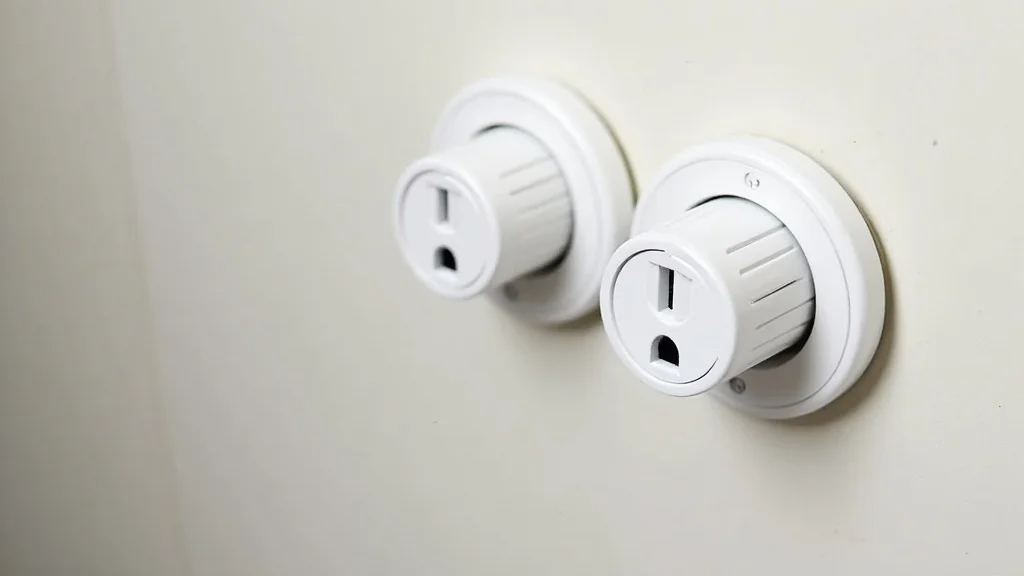
More secure are safety caps that cover the entire outlet plate. These often require a tool to remove, making them much harder for children to access. Some also have a rotating mechanism that allows you to block the outlet when not in use.
Another type of outlet cover is a sliding plate that replaces the existing outlet plate. These have covers that slide over the holes when the outlet is not in use. They offer a neat and secure solution.
Cord management is also vital. Dangling electrical cords can be a tripping hazard or something a child might pull on, potentially dislodging electronics or even pulling them down. Many baby proofing kits include cord wraps or clips that keep cords tidy and out of reach.
When using outlet covers, ensure they fit snugly and are made of non-toxic, durable material. Also, remember that even with outlet covers, it’s best practice to keep electrical appliances unplugged when not in use and to store cords neatly.
A real-life example: The Miller family had a toddler named Max who was fascinated by the flashing lights on their home entertainment system. The cords for the TV, game console, and speakers were a tangled mess. Max would often pull at them, and the fear of him dislodging something heavy or getting an electric shock was constant. They used cord wraps from their baby proofing kit to bundle the cords neatly behind the TV stand. This not only made the area safer but also tidied up their living room.
Securing Electrical Outlets
Electrical outlets are a common feature in every home, and for a baby, they can be a tempting mystery. Tiny fingers might be curious about the slots, and the risk of electric shock is serious. Outlet covers are designed to prevent this.
There are several types of outlet covers available. Plug-in covers are the most basic. They are small pieces of plastic that are inserted directly into the unused outlets. They are simple, inexpensive, and easy to use. However, older babies and toddlers can sometimes figure out how to remove them.
A more secure option is the sliding outlet cover. These
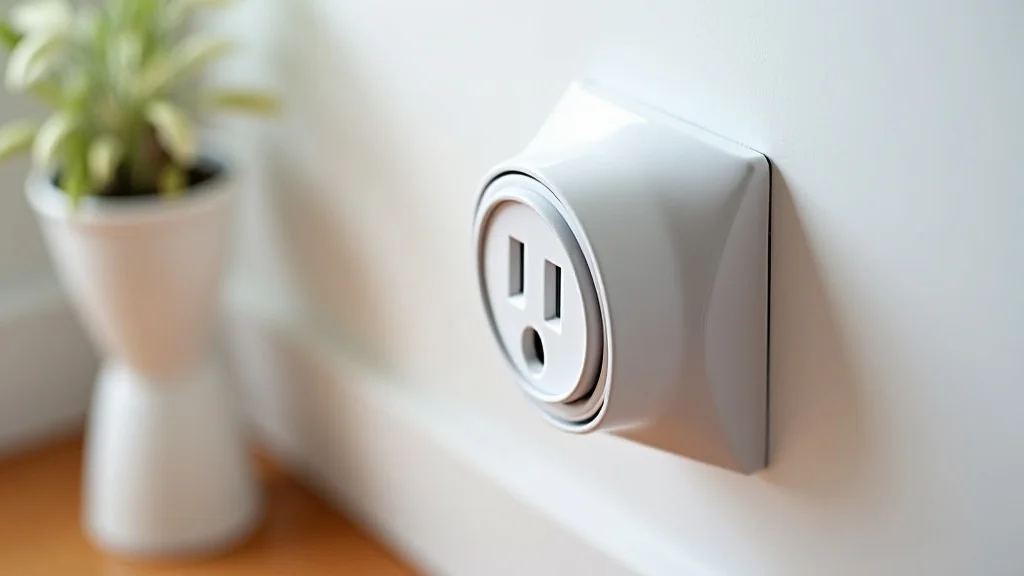
For maximum security, consider box-style outlet covers. These are larger boxes that enclose the entire outlet and plug. They are excellent for preventing children from accessing outlets, especially in areas where they might play frequently.
When choosing outlet covers, look for products made from durable, non-toxic plastic. Ensure they fit snugly and don’t have small parts that could be a choking hazard if they break.
It’s important to childproof all outlets, not just those at floor level. Babies can stand and reach higher than you might think.
Managing Electrical Cords
Electrical cords are more than just tripping hazards. They can be tempting to chew on, and if pulled, they can bring down lamps, TVs, or other heavy objects. Proper cord management is a key part of baby proofing.
One effective method is to use cord clips or ties. These can attach cords to walls or furniture legs, keeping them taut and out of reach. This prevents them from dangling where a child can grab them.
Another solution is cord covers or raceways. These are tubes or channels that you can thread cords through. They not only keep cords tidy but also protect them from chewing and make them less accessible.
For appliance cords, like those from lamps or toasters, consider using a cord shortener. This allows you to gather the excess cord and secure it, so only the necessary length is exposed.
If you have cords that are particularly tempting, like phone chargers, make it a habit to unplug them and store them away when not in use.
A statistic: Studies have shown that approximately 2,400 children visit emergency rooms each year for toy-related injuries, but these are just a fraction of the total number of childhood injuries. Electrical cord incidents, though less frequently reported, can have severe consequences. For instance, chewing on frayed cords can lead to burns or electric shocks.
Safeguarding Against Furniture and Objects
Beyond electrical hazards and cabinet access, other common household items pose risks to babies and toddlers. Sharp furniture corners, unstable furniture, and accessible items on shelves all require attention. A comprehensive baby proofing kit will offer solutions for these potential dangers.
Furniture tip-overs are a serious concern. Heavy items like dressers, bookshelves, and entertainment centers can fall on a child if they attempt to climb them or if they are not properly secured. Many baby proofing kits include furniture straps or anchors designed to secure these items to the wall.
These straps work by attaching to the furniture and then to a stud in the wall. This provides a strong anchor that prevents the furniture from tipping over. Installation typically involves a few screws, and the peace of mind they offer is invaluable.
Sharp corners on tables, counters, and furniture are another hazard. As babies learn to crawl and walk, they are prone to bumps and falls. Edge and corner guards, often made of soft foam or rubber, can be applied to sharp edges to cushion any impacts.
These guards are usually self-adhesive and come in various lengths and shapes to fit different furniture types. They are easy to install and can significantly reduce the severity of injuries from accidental bumps.
Additionally, consider securing heavy wall-mounted items like televisions. While some TVs come with wall mounts, others may be placed on stands that are not stable enough. Anti-tip kits for TVs are essential.
A real-life example: The Chen family had a large, antique bookshelf in their living room filled with books and decorative items. Their daughter, Lily, was an adventurous climber. The thought of the heavy bookshelf toppling over terrified them. They used furniture anchor straps from their baby proofing kit to secure the bookshelf firmly to the wall. This prevented Lily from being able to pull it down and kept her safe.
Preventing Furniture Tip-Overs
Furniture tip-overs are a silent danger in many homes. Children are naturally curious and often try to climb furniture to reach toys or explore. Heavy pieces like dressers, bookcases, and entertainment centers can become unstable and fall, causing serious injury or even death.
Furniture anchor straps are the primary solution for this risk. These straps are designed to connect the furniture securely to a wall stud. Most kits will provide the necessary hardware, including screws and anchors.
When installing these straps, it’s important to locate a wall stud for the most secure attachment. If you’re unsure how to do this, consider consulting a handyman or looking for clear online tutorials.
It’s not just about the large pieces. Even heavy drawers in dressers can pose a risk if a child opens them and leans on them, causing the entire unit to become unbalanced. Some furniture anchor systems address multiple drawers or sections.
Make it a habit to regularly check the security of your furniture anchors. Over time, screws can loosen, or the anchors themselves might become less secure.
Softening Sharp Edges and Corners
As babies transition from crawling to cruising and then to walking, they will inevitably have tumbles. Exposed sharp edges and corners on furniture, tables, and countertops can turn a minor fall into a painful injury.
Edge and corner guards are a simple yet effective solution. These are typically made of soft foam or rubber and are applied to the edges of furniture using strong adhesive. They act as a buffer, absorbing the impact if a child hits their head or body on a sharp edge.
When selecting edge guards, consider the material and thickness. Thicker guards offer more protection. Also, look for ones that are easy to clean, as they can get dirty.
Installation is usually straightforward: clean the surface, peel off the backing from the adhesive, and press the guard firmly in place. Ensure the entire edge or corner is covered.
It’s important to childproof not just at floor level but also at table height, as this is where many children will be playing and exploring.
A comparison of safety products:
| Product Type | Primary Use | Installation | Effectiveness | Typical Kit Inclusion |
|---|---|---|---|---|
| Cabinet Latches | Securing cabinets and drawers | Adhesive or screw-in | High | Yes |
| Outlet Covers | Preventing electrical contact | Plug-in or plate replacement | Moderate to High | Yes |
| Edge Guards | Softening sharp furniture edges | Adhesive | High | Yes |
| Furniture Anchors | Preventing tip-overs | Screw-in to furniture and wall | Very High | Often included in larger kits |
Other Essential Baby Proofing Kit Items
While cabinets, outlets, and furniture are primary concerns, a truly comprehensive baby proofing kit addresses a wider range of potential hazards. These often include items for doors, windows, and even appliances that might pose a risk.
Door knob covers are a common addition. These are designed to prevent young children from turning and opening doors, whether it’s the front door, bathroom doors, or even closet doors where potentially dangerous items might be stored. They can also be useful for preventing a child from locking themselves in or out of a room.
Window guards or locks are also important, especially for upper-floor windows. These can prevent windows from being opened too wide, or in some cases, from being opened at all, reducing the risk of falls.
Appliance locks are another category. Think about ovens, refrigerators, washing machines, and dishwashers. These appliances often have latches or buttons that curious toddlers might tamper with, leading to burns, spills, or other accidents.
Some kits might also include safety gates, though these are often purchased separately depending on the specific needs of your home. Safety gates are crucial for blocking off access to stairs or entire rooms.
Consider also items for protecting against sharp corners on things like fireplace hearths, which can be particularly hard and unforgiving.
A real-life scenario: The Peterson family lived in a house with several older doors that had easy-to-turn doorknobs. Their daughter, Chloe, quickly learned how to open the doors to the laundry room and the garage. To prevent her from accessing these hazardous areas, they installed simple door knob covers from their baby proofing kit. This provided an immediate and effective solution.
Door Knob Covers and Locks
Doors are gateways to new adventures for toddlers, but some of those adventures can lead to danger. Door knob covers are designed to make it harder for little ones to operate standard doorknobs, preventing access to unsafe areas.
These covers typically slip over the doorknob and are difficult for children to grip and turn. Some are simple plastic sleeves, while others might have more complex mechanisms that require a specific motion to open.
When choosing door knob covers, consider how easy they are for adults to operate. You’ll be using them frequently, so they should be convenient for you while still being childproof.
It’s also worth considering locking mechanisms for specific doors, such as the main entrance, which might need to be completely inaccessible to a toddler.
Window Safety Devices
Windows offer light and views, but they can also be a source of danger, especially in multi-story homes. Window safety devices help to prevent accidents related to windows.
Window guards are physical barriers that are installed on the outside of windows. They have bars or mesh that prevent a child from falling through. These are often used on upper-story windows.
Window stops or locks are another option. These devices limit how far a window can be opened. This allows for ventilation while still preventing a child from being able to fit through the opening.
When installing window safety devices, ensure they are securely fastened and will not be easily dislodged by a determined child.
A statistic: Falls are one of the most common causes of unintentional injury for children aged 1 to 4. While many of these falls occur at ground level, falls from windows, even from relatively low heights, can result in serious injuries. For example, a fall from a second-story window could lead to fractures, head injuries, or internal damage.
Appliance Safety Locks
Appliances in the kitchen and laundry room often have buttons, levers, or doors that are fascinating to young children. From ovens to washing machines, these can pose significant risks if accessed unsupervised.
Appliance locks are designed to secure these items. For ovens, these can prevent the door from being opened, especially when the oven is hot. For refrigerators, they can stop a curious child from emptying the contents or accessing items they shouldn’t.
Washing machines and dishwashers also have doors that can be opened, potentially leading to children getting trapped inside or accessing cleaning detergents. Specific locks are available for these appliances.
These locks typically use strong adhesive or screw-in mechanisms to attach to the appliance. Ensure they are robust enough to withstand a toddler’s efforts.
Common Myths Debunked
Many parents have questions and misconceptions about baby proofing. It’s important to separate fact from fiction to ensure you are taking the right steps to protect your child.
Myth 1: Baby proofing is only necessary when babies start crawling.
Reality: While crawling is a major milestone, babies begin to explore and reach for things even before they are mobile. It’s best to start baby proofing as soon as your baby starts to show increased mobility, which can be as early as 3-4 months old for some babies who are developing quickly. You should baby proof actively accessible areas before your baby reaches these developmental stages.
Myth 2: Expensive gadgets are always the best for baby proofing.
Reality: While some specialized products can be very effective, many essential baby proofing needs can be met with a good quality, versatile baby proofing kit. Focus on functional items like secure latches, outlet covers, and corner guards. Simplicity and proper installation are often more important than high cost.
Myth 3: Once a baby is walking, baby proofing is no longer a major concern.
Reality: Walking opens up a whole new world of exploration and potential hazards. Toddlers are more capable of reaching higher items, opening doors, and interacting with objects in more complex ways. Baby proofing needs to evolve with your child’s development.
It’s a continuous process that lasts for many years.
Myth 4: You can trust your child not to touch certain things.
Reality: Children are driven by curiosity, not by an understanding of danger. It’s unrealistic and unsafe to expect a child to consistently avoid hazards. Assume they will touch, taste, or experiment with anything they can access.
Proactive prevention is key.
Frequently Asked Questions
Question: How often should I check my baby proofing items?
Answer: It’s a good practice to check your baby proofing items regularly, at least once a month. Ensure latches are still secure, adhesives are holding firm, and outlet covers are in place. Also, inspect them for any signs of wear or damage that could compromise their effectiveness.
Question: Can I use baby proofing items on all types of furniture?
Answer: Most baby proofing items, especially adhesive ones like corner guards and cabinet latches, are designed to work on a variety of surfaces. However, always check the product instructions for compatibility with specific materials like glass, laminate, or finished wood. For screw-in items, ensure your furniture is sturdy enough to support them.
Question: What is the difference between a baby proofing kit and individual items?
Answer: A baby proofing kit offers a collection of various safety items, typically including latches, outlet covers, and corner guards, providing a comprehensive solution for multiple hazards. Buying individual items allows you to select specific products, but a kit is often more cost-effective and convenient for covering basic needs.
Question: Do I need to baby proof my entire house?
Answer: It’s recommended to baby proof all accessible areas where your child spends time. This includes living areas, kitchen, bathrooms, bedrooms, and any play areas. Focus on the most common hazard zones first, and then expand as your child’s mobility increases.
Question: How long will I need to baby proof my home?
Answer: The need for baby proofing extends through the toddler years and even into early childhood. While the specific types of risks change, children can still be vulnerable until they develop a better understanding of safety. Generally, intensive baby proofing is needed until around age 3-4, with some precautions remaining necessary until children are older.
Conclusion
Creating a safe home environment for your baby is an ongoing process. A well-chosen baby proofing kit provides essential tools to tackle common hazards. Focus on securing cabinets, outlets, and furniture. Soften sharp edges and consider door and window safety. Regular checks ensure your child remains protected as they grow and explore. Empower yourself with the right safety measures for peace of mind.