You’ve baby-proofed your home, or at least you’re starting. You look around and see all the potential hazards. One of the most common and concerning areas for new parents is electrical outlets.
Little fingers exploring every nook and cranny can find their way to these outlets, leading to a scary situation. That’s where effective plug covers baby proofing becomes essential. This guide will help you select the right solutions to keep your little one safe from electrical dangers.
Key Takeaways
- Understanding the different types of plug covers available for child safety.
- Learning how to choose the most effective and safest plug covers for your home.
- Recognizing the importance of proper installation and consistent use.
- Identifying potential risks associated with incorrect or neglected plug cover use.
- Exploring alternative and advanced baby proofing methods for electrical safety.
Why Plug Covers Are Essential For Baby Proofing
When a baby enters your life, your entire perspective on your home shifts. What once seemed perfectly safe can suddenly appear full of dangers. Electrical outlets are a prime example of this newfound awareness.
Their small openings are irresistible to curious toddlers who are just beginning to explore their world with their hands and mouths. Without adequate protection, these outlets pose a significant risk of electric shock. This is why investing in reliable plug covers baby proofing is not just a good idea, it’s a necessity for any parent or caregiver aiming to create a secure environment for their child.
These simple yet vital devices act as a barrier between your child’s curious fingers and the potentially dangerous electrical currents within the walls. They are designed to be difficult for young children to remove, offering peace of mind to parents while they focus on other aspects of child-rearing. The market offers a variety of styles, each with its own set of features and benefits.
Understanding these differences is key to making an informed decision that best suits your home and your child’s developmental stage.
The primary goal of using plug covers is to prevent accidental contact with live electrical parts. This simple measure can avert serious injuries, saving your child from painful shocks or burns. It’s a fundamental step in comprehensive home safety for infants and toddlers, contributing significantly to an accident-free childhood.
The Danger of Unprotected Outlets
Electrical outlets contain the crucial connection points for electricity to power our homes. Inside each outlet, you’ll find slots that lead to terminals connected to the household wiring. When an outlet is not covered, these slots are exposed.
They are typically two or three openings, sometimes of different shapes and sizes, designed to accept the prongs of an electrical plug. The depth and accessibility of these slots make them particularly hazardous for young children.
The danger lies in the fact that these terminals carry a significant electrical current. If a child inserts a conductive object, such as a finger, a toy, or even a piece of metal, into the outlet slots, an electrical circuit can be completed through their body. This can lead to an electric shock, which can cause anything from mild discomfort and burns to severe internal damage, cardiac arrest, and even death.
The electrical current flows from the outlet, through the object and the child’s body, and then to a ground source, completing the circuit.
Babies and toddlers, in their exploratory phase, are naturally drawn to touching and tasting everything. They lack the understanding of danger that adults possess. Their coordination is developing, and their curiosity often overrides any sense of caution.
This makes them highly vulnerable to the hazards presented by exposed electrical outlets. The visual appearance of the outlet, with its small openings, can be perceived by a child as a toy or a place to insert things, rather than a source of danger.
- Electric Shock Risk: The most immediate danger is electric shock, which can cause severe burns, muscle contractions, and respiratory arrest.
- Internal Injuries: Even if the external signs are minor, electric current can cause serious internal tissue damage and affect vital organs like the heart and brain.
- Fire Hazard: Improper insertion of objects or faulty outlets can sometimes lead to short circuits or overheating, presenting a fire risk.
- Long-Term Health Issues: Severe electrical injuries can have long-lasting physical and neurological consequences for a child.
Statistics on Electrical Injuries in Children
Electrical injuries remain a significant concern for child safety. According to data from the U.S. Consumer Product Safety Commission (CPSC), thousands of children are treated in emergency departments each year for electrical-related injuries.
While exact numbers for outlet-related injuries can vary, the overall statistics highlight the persistent risk. For example, studies have indicated that a substantial percentage of household electrical injuries involving children occur at wall outlets. These incidents often result in burns to the mouth, fingers, or internal organs.
The numbers underscore the critical need for preventative measures. Many of these injuries are entirely preventable with simple safety devices like plug covers baby proofing. The CPSC frequently issues safety alerts and provides resources to educate parents about common household hazards, including electrical outlets.
Their reports consistently point to the effectiveness of childproofing measures in reducing such accidents.
A report by the National Fire Protection Association (NFPA) also sheds light on electrical safety. While focusing on fires, it indirectly points to the presence and use of electrical devices in homes. The more electrical devices and outlets present, the higher the potential for related accidents if not properly managed for child safety.
This emphasizes that a proactive approach to home safety, especially concerning electricity, is paramount.
Types of Plug Covers Baby Proofing
When you’re looking for plug covers baby proofing, you’ll find a variety of options designed to meet different needs and outlet types. Each type offers a unique approach to securing electrical outlets and preventing accidental access by children. Understanding the differences will help you choose the best fit for your home.
Outlet Plugs or Inserts
These are the most basic and widely recognized form of plug covers. They are small, solid pieces of plastic designed to fit snugly into the openings of standard electrical outlets. They come in various shapes, often matching the configuration of the outlet slots (e.g., two parallel slots, or two parallel slots with a round ground hole).
The primary mechanism of these plugs is simple physical blockage. When inserted, they prevent anything other than a proper electrical plug from being inserted into the outlet. They are typically made of hard plastic, which is non-conductive and durable.
Some designs are flush with the outlet plate, while others have a small tab or knob that protrudes slightly, making them easier for adults to grip and remove.
How they work: You simply push the plug into the empty outlet slots. For outlets with a ground pin hole, the plug will have a corresponding protrusion to cover it as well. The friction fit keeps them in place.
Pros:
- Affordable: They are generally the least expensive option, making it easy to cover many outlets.
- Simple to use: Installation is as easy as pushing them into the outlet.
- Widely available: Found in almost any store that sells baby products or hardware.
- Effective as a deterrent: For very young babies and toddlers, they serve as a good physical barrier.
Cons:
- Can be removed by determined children: Older or more persistent toddlers might figure out how to pull them out.
- Choking hazard if removed: The small size of some plugs can pose a choking risk if a child manages to dislodge them.
- May not fit all outlets perfectly: Some older or non-standard outlets might not accommodate them securely.
Outlet Plate Covers or Safety Covers
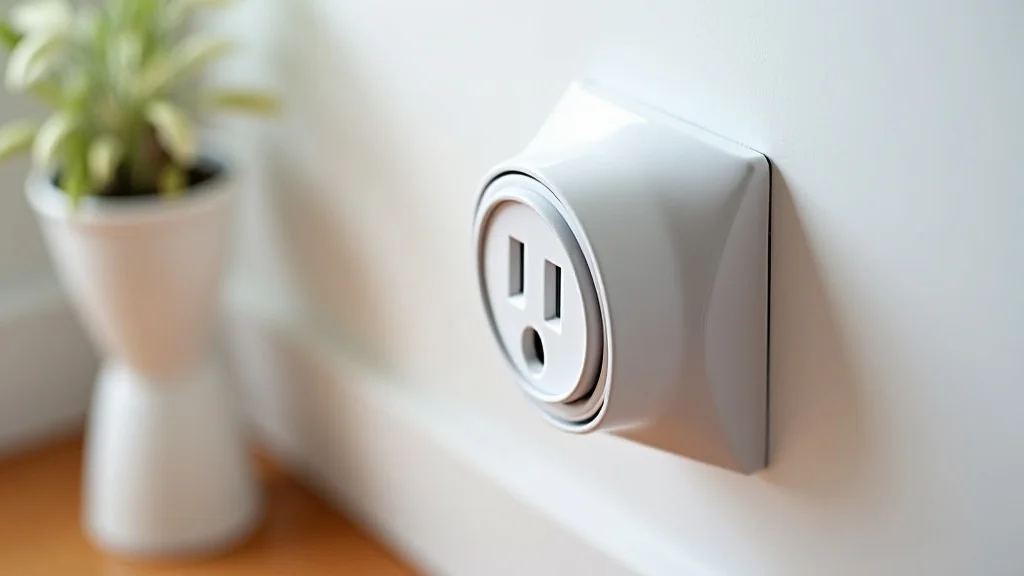
These are a more robust solution than simple plugs. Instead of fitting into the outlet slots, they replace the entire existing outlet cover plate. They are typically made of sturdy plastic and are designed to fit over standard electrical outlets.
Many of these covers have self-closing mechanisms or require a specific action to open. For instance, some might have spring-loaded doors that automatically cover the outlet slots when not in use. Others might require a key or a specific pushing and sliding motion to access the outlets, making it much harder for young children to operate.
How they work: You remove the original outlet plate and screw the new safety cover plate in its place. The new plate will have built-in protection for the outlet slots, such as hinged doors or internal shutters.
Pros:
- More secure: Generally harder for children to remove or tamper with than individual plugs.
- Built-in protection: The covers are always in place, offering continuous safety.
- Can be more aesthetically pleasing: They integrate with the look of your wall.
- Reduced choking hazard: Since they are secured to the wall, there’s less risk of pieces being detached and swallowed.
Cons:
- More expensive: These are typically more costly than individual outlet plugs.
- Requires installation: You’ll need basic tools to replace the existing outlet plates.
- May not be compatible with all electrical boxes: Ensure they fit standard configurations.
Sliding Outlet Covers
Sliding outlet covers are a variation of the plate cover. They feature a sliding panel that conceals the outlet slots. When you need to use the outlet, you slide the panel open.
When finished, you slide it back, and it securely covers the openings.
These are designed to offer a balance between ease of access for adults and security against children. The sliding mechanism is usually smooth for adults but can be tricky for toddlers to operate without understanding the specific motion required. They are often made from durable plastic and are screwed onto the existing electrical box.
How they work: Similar to plate covers, they replace the standard outlet plate. A movable cover shields the outlets. To use an outlet, you slide the cover to the side, revealing the slots.
Pros:
- Good security: The sliding mechanism provides a good barrier.
- Always in place: Offers continuous protection unlike plugs that can be forgotten.
- Easy for adults to use: Designed for quick access when needed.
Cons:
- Installation required: Needs to be screwed onto the outlet box.
- Potential for wear and tear: The sliding mechanism could become loose over time with frequent use.
- Can be visually intrusive: Some designs might stand out from standard plates.
Rotary Outlet Covers
Rotary covers are another type of plate
The rotation often requires a specific pressure or alignment that is difficult for young children to figure out. They are designed to be child-resistant, making it challenging for little hands to manipulate.
How they work: These replace the standard outlet plate. A round cover can be rotated to expose or hide the outlet openings.
Pros:
- High level of child resistance: The rotary action is not intuitive for young children.
- Permanent fixture: Offers constant protection as it’s part of the outlet plate.
- Aesthetically integrated: Often designed to blend in with the wall décor.
Cons:
- Installation is necessary: Requires replacing the existing cover plate.
- Can be cumbersome for adults: The rotation might take a moment longer than other types.
- May have limited compatibility: Ensure it fits your outlet box size.
Choosing the Right Plug Covers Baby Proofing
Selecting the most effective plug covers baby proofing involves considering several factors beyond just the type of cover. Your child’s age, your home’s specific needs, and your own convenience all play a role. Making the right choice ensures optimal safety and peace of mind.
Consider Your Child’s Age and Development
For newborns and very young infants who are not yet mobile, simple outlet plugs might suffice. They offer a basic deterrent for the rare instance a baby might reach an outlet. However, as your child becomes mobile, starts crawling, and then walking, their ability to interact with their environment dramatically increases.
Toddlers, with their developing fine motor skills and problem-solving abilities, can often figure out how to remove simple plugs. For active toddlers, more secure options like outlet plate covers or sliding covers are essential. These are harder to dislodge and require more sophisticated manipulation that most toddlers cannot achieve.
Consider the age at which your child reached developmental milestones and anticipate their capabilities in the coming months.
- Infants (0-6 months): Primarily stationary. Outlet plugs offer minimal but present protection for any chance of accidental contact if moved.
- Crawling Babies (6-12 months): Mobility increases. Outlet plugs are still a barrier but a more determined baby might try to pull them out.
- Toddlers (1-3 years): Highly mobile and curious. They develop dexterity and problem-solving skills. Robust solutions like plate covers are highly recommended.
- Preschoolers (3+ years): May begin to understand the concept of danger. Continued vigilance and appropriate covers are still necessary, especially for curious preschoolers.
Assess Your Home’s Outlet Types
Not all outlets are the same. Standard outlets are the most common, but you might encounter variations, especially in older homes. It’s important to check the types of outlets you have before purchasing any plug covers baby proofing.
Most outlet plugs and plate covers are designed for standard two-prong or three-prong (with ground) outlets. If you have older outlets with unusual slot configurations, or if your outlets are recessed or unusually shaped, you may need to look for specialized covers. Some outlets might be on a switch, which requires a different approach to safety.
For these, ensuring the switch is off when not in use is an added layer of safety, but electrical covers are still recommended.
Take a quick walk around your home and note the different types of outlets. Are they all standard? Do any look different?
Are they in high-traffic areas where your child will spend a lot of time? This assessment will guide you to purchase covers that will actually fit and be effective.
Sample Outlet Types to Check:
- Standard Duplex Outlet: The most common type, featuring two vertical slots.
- Grounded Duplex Outlet: Has two vertical slots and a round hole below for the ground pin. Most plug covers are designed to cover all three.
- GFCI Outlet: These have “TEST” and “RESET” buttons. They are designed to provide extra protection against shock and are important in areas like kitchens and bathrooms. Standard plug covers work with GFCI outlets, but the GFCI feature itself adds a layer of safety.
- Older or Non-Standard Outlets: May have different slot shapes or arrangements.
Ease of Installation and Adult Access
While child resistance is paramount, you also need to consider how easy the covers are for adults to install and use. Complicated installation can lead to procrastination, leaving outlets unprotected longer than necessary. Similarly, if using an outlet becomes a frustrating daily task, you might be tempted to leave covers off.
For outlet plugs, installation is usually a simple push. For plate covers, you’ll need a screwdriver and a few minutes per outlet. Assess if you’re comfortable with this level of DIY.
Look for covers that clearly indicate how they should be installed, perhaps with simple visual instructions.
Consider the frequency with which you use certain outlets. Outlets in living areas or near charging stations might be used more often. In these cases, a cover that allows for quick and easy access without a lot of fiddling is beneficial.
Conversely, outlets in less-used areas can have more complex child-resistant features.
Cost vs. Security
Budget is always a factor. Outlet plugs are the most economical choice, allowing you to cover many outlets for a low price. However, they might offer less security as your child grows.
Outlet plate covers are a more significant investment per outlet. If you have many outlets to cover, the cost can add up. However, their enhanced security and permanence can justify the higher price tag.
When comparing costs, think about the long-term value and the level of protection offered. A slightly higher upfront cost for more secure covers might save you worry and potential accidents down the line.
Consider purchasing a small sample of different types if possible to test their fit and ease of use in your home before committing to a large purchase. Many retailers offer multi-packs, which can be more cost-effective.
Installation and Maintenance of Plug Covers
Proper installation and regular checks are vital to ensure that your plug covers baby proofing remain effective and provide continuous safety for your child. Even the best products can fail if not installed correctly or maintained properly.
Correct Installation Techniques
For simple outlet plugs, installation is straightforward. Ensure the plug is pushed firmly and completely into all available slots of the outlet. If it feels loose or wobbly, it might not be the right size or shape for your outlet, or the outlet itself might be worn.
When installing outlet plate covers, make sure you’ve turned off the power to the outlet at the circuit breaker first. This is a safety precaution to prevent accidental shocks during installation. Remove the old cover plate carefully, then align the new safety cover plate with the screw holes and secure it firmly with the provided screws.
Do not overtighten, as this can crack the plastic. Ensure the cover is flush and secure against the wall.
Test the installed cover by trying to gently pry or pull on it to ensure it’s well-attached. For covers with moving parts, like sliding or rotary mechanisms, test their function to ensure they open and close smoothly and securely.
- Safety First: Always turn off power at the breaker before installing any screw-in type cover.
- Firm Fit: Ensure outlet plugs are pushed in fully. Loose plugs are less effective.
- Secure Screws: For plate covers, tighten screws enough to be snug but not so tight they crack the plastic.
- Test Functionality: After installation, operate any moving parts to confirm smooth operation and secure closure.
Regular Inspection and Replacement
Children are persistent. They will test boundaries and explore their environment constantly. This means your plug covers baby proofing should be subject to regular inspection.
Periodically check each outlet cover to ensure it is still securely in place and hasn’t been loosened or removed.
Look for any signs of wear and tear. Plastic can become brittle over time, especially with prolonged exposure to sunlight or temperature fluctuations. Moving parts in sliding or rotary covers might become loose or jammed.
If a cover appears damaged, cracked, or loose, it should be replaced immediately.
Also, as your child grows, their ability to manipulate objects increases. A cover that was once effective might become easy for an older toddler to open. Be observant of your child’s interactions with the covers and upgrade to a more secure type if they start to figure them out.
This proactive approach is key to maintaining a safe environment as your child develops.
Inspection Checklist:
- Are all outlets covered? Double-check every outlet, including those in less obvious places.
- Are covers secure? Gently try to pull or pry each cover to ensure it’s firmly attached.
- Are there signs of damage? Look for cracks, chips, or wear on the plastic.
- Are moving parts functioning? Test sliding or rotary mechanisms for smooth operation.
- Is my child attempting to remove them? Observe your child’s interactions and adjust if necessary.
When to Consider Alternatives or Additional Measures
While plug covers are a primary defense, they are not always the sole solution for electrical safety. For certain situations or as children become more advanced, you might need to consider additional measures.
For very high-risk areas, or if your child is particularly adept at bypassing safety devices, consider outlet boxes or covers that completely enclose the outlet and plug. These are often used for appliances that need to remain plugged in, like lamps or baby monitors, preventing the child from tampering with the cord or plug itself.
Another consideration is cord management. Ensure all electrical cords are tucked away, secured, or tied up. Long, dangling cords can be a strangulation hazard or can be pulled, potentially dislodging connected appliances or exposing damaged cords.
Some safety products specifically address cord management, such as cord wraps or clips.
Furthermore, if you have outlets at ground level that are frequently used by your child, consider relocating them higher up the wall if possible, or using furniture to block access when not in use. These combined strategies create a more comprehensive safety net.
Sample Scenarios Requiring Alternatives:
- Constant Appliance Use: If a nursery monitor or lamp must remain plugged in, a full outlet box cover prevents cord tampering.
- High-Risk Toddler: A child who consistently removes or bypasses standard covers may need a more advanced locking mechanism or a different type of barrier.
- Dangling Cords: Any cords that can be reached and pulled should be secured or managed to prevent accidents.
Common Myths Debunked
Myth 1: All plug covers are equally safe and effective.
Reality: This is not true. While all plug covers aim to protect children, their effectiveness varies greatly by type and quality. Simple outlet plugs are the easiest for determined toddlers to remove and can pose a choking hazard if dislodged.
More secure options like sliding or rotary plate covers offer a much higher level of protection because they are more difficult to manipulate and are permanently attached to the outlet. Always choose covers specifically designed for child safety and consider your child’s developmental stage.
Myth 2: Once I install plug covers, my outlets are completely safe.
Reality: Plug covers are a crucial layer of protection, but they are not foolproof. Children can be surprisingly resourceful. Consistent inspection is vital.
Covers can loosen over time, become damaged, or be figured out by an older, more inquisitive child. It’s important to regularly check that all covers are secure and in good condition, and to upgrade to more robust solutions as your child grows and their abilities advance. Childproofing is an ongoing process, not a one-time event.
Myth 3: My child is too young to be interested in outlets.
Reality: Even very young babies can be curious about their surroundings. As soon as a baby becomes mobile, their desire to explore increases dramatically. They are drawn to shapes, textures, and openings.
Electrical outlets, with their distinct slots, can be fascinating to a baby or toddler, even if they don’t understand the danger. It is best to childproof all accessible outlets from the moment your baby starts to show increased mobility, like crawling.
Myth 4: Outlet covers make it too difficult for adults to use the outlets.
Reality: Most modern plug covers baby proofing are designed with adult convenience in mind. While they are made to be child-resistant, they should still allow for relatively easy access for adults. Simple outlet plugs are very easy to remove.
Plate covers typically have a mechanism that adults can operate with a little practice, such as a sliding panel or a rotary cap. If you find a particular type of cover too cumbersome, there are many other options available that balance child safety with adult usability.
Frequently Asked Questions
Question: How do I know which type of plug cover is best for my baby?
Answer: Consider your baby’s age and mobility. For infants, simple plugs might suffice. For crawling or walking toddlers, more secure options like sliding or rotary plate covers are recommended as they are harder to remove.
Question: Can plug covers be a choking hazard?
Answer: Yes, small, individual outlet plugs can pose a choking hazard if a child manages to pull them out. Plate covers are less of a risk as they are secured to the wall.
Question: How often should I check my plug covers?
Answer: It’s a good practice to check them at least once a week. Also, inspect them whenever your child shows interest in them or if they seem loose or damaged.
Question: What if my child is trying to pull cords out of the wall?
Answer: You’ll need to childproof the cords as well. Use cord covers, secure cords along baseboards, or consider outlet boxes that enclose both the plug and the cord when in use.
Question: Are there any outlets that don’t need plug covers?
Answer: Generally, all accessible electrical outlets pose a risk and should be covered, especially those at floor level or within reach of a child. Even outlets that appear less accessible can become so as a child grows.
Conclusion
Ensuring your home is safe from electrical hazards is a vital part of parenting. Utilizing the right plug covers baby proofing provides a critical barrier against electric shock. By understanding the various types available, considering your child’s development, and properly installing and maintaining these simple devices, you significantly reduce risks.
Remember to regularly inspect all covers and upgrade as your child’s curiosity and abilities grow. Your diligence creates a safer space for your little one to explore.