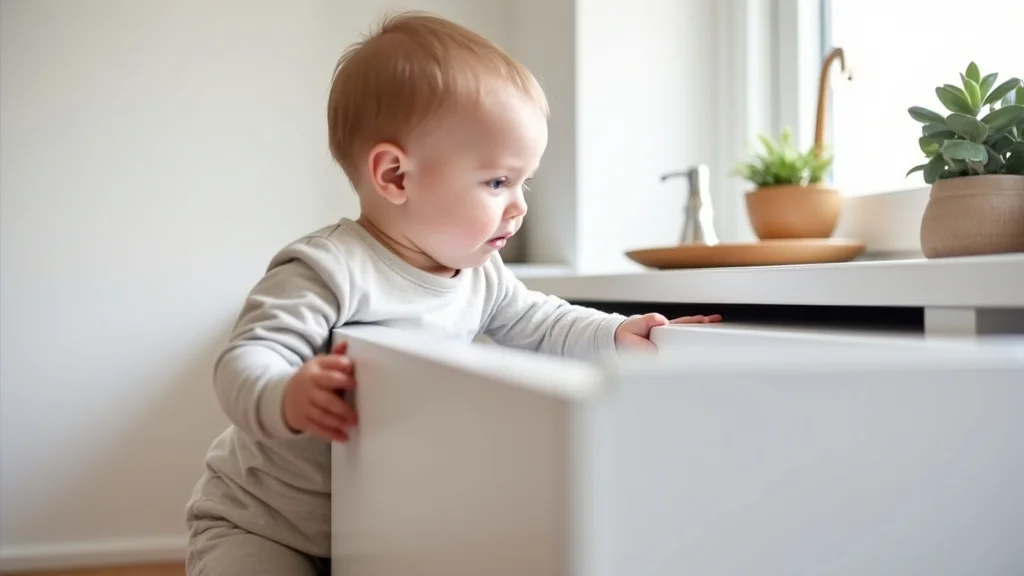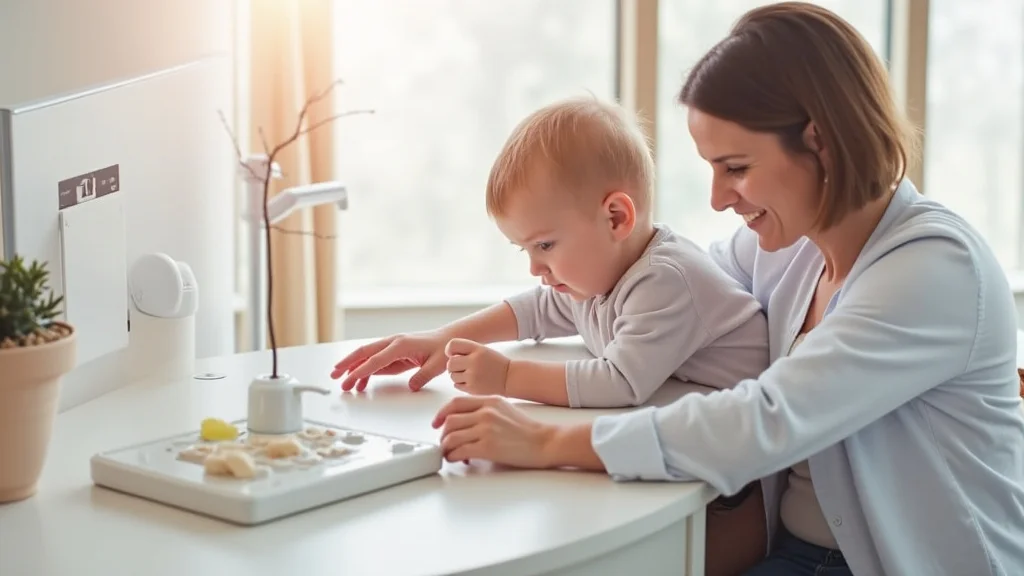
You just turned around for a second, and suddenly your little explorer is reaching for something they shouldn’t. Sound familiar? The early years of parenthood are filled with wonder, but also with constant vigilance.
Keeping our curious toddlers safe in their own homes can feel like a full-time job. This guide is designed to help you with toddler proofing your home, providing practical, easy-to-implement strategies. You’ll gain peace of mind and a safer environment for your child to grow and discover.
Key Takeaways
- Essential safety checks for every room.
- Practical solutions for common hazards like outlets and cords.
- Tips for securing furniture and preventing tip-overs.
- Ideas for childproofing doors and windows.
- How to create safe play areas.
- Simple ways to manage kitchen and bathroom risks.
Toddler Proofing Your Home A Room-By-Room Guide
Every home has unique challenges when it comes to safety for little ones. As toddlers gain mobility, they start exploring their surroundings with newfound independence. This means they can get into places you never imagined.
Toddler proofing your home is not about eliminating all risks, but about significantly reducing them. It’s a proactive approach to creating a secure space where your child can learn, play, and grow without constant danger. This section breaks down safety needs room by room, ensuring no area is overlooked.
Living Room Safety Strategies
The living room is often a central hub for family activity, making it a prime spot for toddler exploration. Sharp corners on coffee tables and accessible electrical outlets are common concerns. Soften edges and cover unused outlets to prevent accidental bumps and shocks.
Ensure that any decorative items within reach are either secured or moved to a higher, inaccessible shelf. Consider the placement of furniture; heavy items should be stable and not easily pulled over.
- Secure all furniture: Heavy sofas, bookshelves, and entertainment units can tip over. Use furniture straps to anchor them to the wall.
- Cover electrical outlets: Use safety plugs for all unused outlets.
- Manage cords and wires: Keep electrical cords out of reach.
- Soften sharp edges: Use corner guards on tables and sharp furniture.
Anchoring furniture is crucial because toddlers love to climb. A dresser or bookshelf might seem stable to an adult, but a determined toddler can pull it down on themselves. These anchor kits are inexpensive and relatively easy to install.
They attach the furniture securely to wall studs, creating a strong barrier against tipping.
Electrical outlets are a major hazard. Toddlers are naturally curious and may try to insert fingers or objects into them, leading to severe burns or electrocution. Safety plugs fit snugly into the outlet, preventing access.
Ensure they are firm and difficult for your child to remove.
Loose cords from lamps, televisions, or other electronics can be a strangulation hazard. Tie them up, secure them behind furniture, or use cord covers. Avoid running cords under rugs, as this can damage them and create a tripping risk.
Coffee tables, end tables, and even countertops can have sharp corners. Applying soft foam or rubber guards to these edges can prevent painful bumps and head injuries when your child is learning to walk or playing nearby.
Bedroom Safety Essentials
A toddler’s bedroom should be a sanctuary, but it also requires careful childproofing. Cribs and beds need to be safe, and anything that can be pulled down must be secured. Toys should be stored in a way that doesn’t create climbing hazards.
Windows and doors also require special attention in bedrooms to prevent falls or unsupervised exits.
- Bed safety: Ensure cribs or toddler beds are safe.
- Secure dressers and drawers: Use drawer latches and anchor furniture.
- Window safety: Install window guards or stops.
For cribs, ensure the mattress fits snugly with no more than two fingers’ width between the mattress and the side. Slats should be no more than 2 3/8 inches apart. If using a toddler bed, ensure the side rails are high enough to prevent falls but low enough for easy access for you.
Check for any loose parts or sharp edges on the bed frame.
Dressers are a favorite climbing toy for many toddlers. Not only should they be anchored to the wall, but drawer latches can prevent curious hands from opening them and potentially pulling the contents out or even the dresser itself off balance. This is a critical step in toddler proofing your home.
Windows present a serious fall risk. Window guards, which are bars installed on the outside of the window, prevent children from falling out. Window stops limit how far a window can open.
Ensure that any screens are not relied upon as a safety barrier, as they can be easily pushed out.
Kitchen Safety Precautions
The kitchen is filled with potential dangers, from hot stoves to cleaning supplies. Toddler proofing this area requires vigilance and specific safety devices. Securing cabinets and drawers, managing appliance safety, and keeping hazardous items out of reach are paramount.
Even seemingly harmless items can become hazards when a toddler’s curiosity takes over.
Bathroom Safety Measures
Water, cleaning products, and slippery surfaces make the bathroom one of the most dangerous rooms for young children. Prevent scalding by adjusting your water heater thermostat. Secure medications and toiletries, and use non-slip mats to reduce fall risks.
Never leave a toddler unsupervised in the bathroom, even for a moment.
- Water heater temperature: Set your water heater to 120°F (49°C).
- Secure cleaning supplies and medications: Use high, locked cabinets.
- Toilet lid locks: Prevent drowning risks and access to germs.
- Non-slip mats: Place mats inside and outside the tub.
Scalding is a serious burn risk, especially from bathwater. A toddler’s skin is more sensitive than an adult’s. Setting the water heater to 120°F is the recommended maximum temperature to prevent accidental burns.
Always test bathwater temperature with your elbow or wrist before putting your child in the tub.
Household cleaners, detergents, and medications are highly toxic. Store them in high cabinets that have safety latches or locks. Ensure that any portable cleaning supplies are put away immediately after use and are never left within a child’s reach, even for a short time.
Toddlers can be fascinated by flushing toilets. A toilet lid lock prevents them from opening the lid, which reduces the risk of falling in and drowning, and also keeps them from playing with the water or toilet paper. It also helps keep germs contained.
Bathroom floors and bathtubs can become very slippery when wet. Using non-slip mats on the tub floor and outside the tub can help prevent falls and injuries. Ensure the mats have good suction cups to stay in place.
Childproofing Fixtures and Features
Beyond the main rooms, many everyday household fixtures and features require specific attention during the toddler proofing process. Electrical cords, blind cords, and even houseplants can pose hidden dangers. Addressing these details ensures a more comprehensive approach to safety, leaving fewer opportunities for accidents.
Electrical Safety in Detail
Electricity is a powerful force, and for toddlers, it represents an invisible threat. Uncovered outlets and dangling cords are not just messy; they are potential electrocution risks. Understanding the nature of electrical hazards and implementing consistent protective measures is key to preventing serious accidents.
- Outlet covers: Types and installation.
- Cord management solutions: Keeping cords tidy and out of reach.
There are several types of outlet covers. Basic plastic plugs are the most common and affordable. Swivel outlet covers protect unused outlets by rotating to cover them when not in use.
Outlet plates replace the entire existing plate and have built-in shutters. Ensure that whatever type you choose is difficult for your toddler to remove but easy enough for you to access for plugging in devices.
Cords from appliances, lamps, and electronics can be tempting for toddlers to chew on or pull. Use cord clips, ties, or raceways to keep them neat and attached to walls or furniture legs. Avoid running cords under carpets, as this can fray them and create a fire hazard, or allow a child to trip.
For cords that must be accessible, consider using cord shorteners.
Stair Safety Measures
Stairs can be a significant hazard as toddlers become more mobile. Falls down stairs can lead to severe injuries. Installing proper safety gates at the top and bottom of staircases is non-negotiable.
Ensuring they are securely mounted and regularly checked for stability is vital for preventing accidents.
- Baby gates: Top of stairs vs. bottom.
For the top of the stairs, it is essential to use a hardware-mounted gate. These gates screw directly into the wall or banister, offering maximum security. Pressure-mounted gates should never be used at the top of stairs, as a strong push could dislodge them.
At the bottom of the stairs, either a hardware-mounted or a sturdy pressure-mounted gate can be used.
Regularly inspect your gates to ensure they are still securely fastened. Toddlers can be surprisingly strong and might try to push, pull, or climb over them. Check for any loose parts or wear and tear that could compromise their effectiveness.
A damaged gate is no longer a reliable safety device.
Window Blind Cord Safety
Window blind cords, often overlooked, pose a serious strangulation risk to young children. Even short cords can be a hazard if a child becomes entangled. Taking steps to secure or eliminate these cords is a critical part of toddler proofing your home.
- Cord shorteners and winders: Simple solutions.
- Cordless blinds: The safest option.
Cord shorteners are devices that allow you to tie up excess cord, keeping it out of reach. Cord winders are similar, often featuring a spool to wrap the cord around. For systems with a single pull cord, a cord cleat can be installed on the wall to secure the cord.
Ensure these devices are installed at a height well above your child’s reach.
The most effective way to eliminate the strangulation risk from blind cords is to opt for cordless blinds. These operate with a simple lift or push mechanism. While they might be a larger upfront investment, the peace of mind they provide is invaluable when it comes to child safety.
Creating Safe Play Zones
Designating safe play zones within your home allows your toddler the freedom to explore and learn without constant worry. These areas should be free from common hazards and equipped with age-appropriate toys. Even in these designated spaces, vigilance is still important, but it allows for a bit more flexibility.
Indoor Play Area Setup
Setting up a dedicated play area, whether in a playroom or a corner of the living room, requires careful planning. Soft flooring, secured furniture, and accessible toy storage contribute to a safe and stimulating environment. It’s about creating a space where imagination can flourish without risk.
- Soft flooring: Mats and carpets.
- Toy storage solutions: Accessible and safe.
Falls are inevitable when toddlers are playing. Installing soft play mats or ensuring the play area is carpeted can cushion accidental tumbles, reducing the severity of bumps and bruises. Interlocking foam mats are popular for their ease of use and shock-absorbing qualities.
Ensure they are securely fitted together so they don’t create tripping hazards themselves.
Toy boxes should be lightweight and have lids that stay open or are easily removed to prevent them from slamming shut on little fingers. Shelving units should be low enough for your child to reach toys independently, but also secured to the wall to prevent tipping. Organized toy storage makes cleanup easier and helps prevent tripping over scattered toys.
Outdoor Play Safety
If you have an outdoor space, it also needs to be childproofed. Fences should be secure, and any gardening tools or chemicals must be stored safely. Even small yards can present hazards like ponds or unstable structures that require attention during the toddler proofing your home process.
- Yard and garden safety: Fencing and tool storage.
Secure fencing is essential for any yard where toddlers play, especially if there are potential hazards like pools or busy streets nearby. Ensure gates are self-latching and that there are no gaps large enough for a child to squeeze through. Store all gardening tools, sharp implements, and any chemicals in locked sheds or garages, far out of reach.
Kitchen and Dining Area Safety
The kitchen and dining areas are centers of activity and can be full of hazards for curious toddlers. From hot surfaces to sharp utensils and cleaning supplies, comprehensive safety measures are necessary.
Appliance and Cabinet Safety
Stoves, ovens, and dishwashers are appliances that can pose significant risks. Child safety locks are available for most appliances, preventing them from being opened or turned on accidentally. Likewise, all lower kitchen cabinets and drawers should be secured.
- Stove and oven locks: Preventing burns.
- Cabinet and drawer latches: Securing contents.
Stove knob covers and oven door locks are crucial. Toddlers are drawn to the lights and sounds of the oven and stove. These locks prevent them from turning on burners or opening the oven door, which can lead to severe burns.
Some locks are magnetic and controlled by a key, while others are simple plastic covers for the knobs.
Kitchen cabinets and drawers often contain cleaning supplies, sharp objects, or breakable items. Use childproof latches on all accessible cabinets and drawers. Magnetic latches are very effective, requiring a special magnetic key to open.
Adhesive latches are easier to install but may be less secure.
Sharp Objects and Utensils
Knives, forks, and other sharp kitchen tools should be stored out of a toddler’s reach. This includes items in drawers and on countertops. Keeping them in locked drawers or high, inaccessible cabinets is the safest approach.
Food Safety and Choking Hazards
Beyond physical hazards, food safety is also part of toddler proofing. Be aware of choking hazards like whole grapes, nuts, or small, hard candies. Cut food into small, manageable pieces.
Always supervise your child while they are eating.
Bathroom Safety Deep Dive
The bathroom, with its water and cleaning products, requires dedicated safety measures. Preventing slips, burns, and accidental ingestion of harmful substances are top priorities.
Water Safety in the Tub
Never leave a toddler unattended in the bathtub, even for a second. The water heater temperature should be set to a safe level. Use a bath thermometer to ensure the water is not too hot.
Anti-slip mats inside and outside the tub are essential.
Medications and Toiletries
All medications, cosmetics, and toiletries should be stored in high, locked cabinets. Toddlers are naturally curious and can ingest dangerous substances if they are within reach. Even seemingly harmless items like mouthwash can be toxic if swallowed.
Slippery Surfaces and Falls
Bathrooms are inherently slippery. Using non-slip mats on the floor and inside the tub is critical. Ensure all cleaning products are stored away securely after use and that any spilled water is promptly wiped up.
Common Myths Debunked
Myth 1 Toddler proofing is a one-time task
Reality Toddler proofing is an ongoing process. As your child grows and develops new abilities, their ability to get into things also increases. What was safe last month might not be safe today.
You need to continuously reassess and adapt your safety measures as your child reaches new developmental milestones.
Myth 2 You need expensive gadgets to make your home safe
Reality While some safety gadgets are helpful, many basic safety measures are very affordable or even free. Simple actions like moving furniture, securing cords, and using existing locks on cabinets can significantly improve safety. Focus on understanding common hazards and implementing practical solutions.
Myth 3 Toddler proofing restricts a child’s exploration
Reality Quite the opposite. Properly toddler-proofed areas allow children to explore and learn more freely because you can relax knowing they are safe. It gives them the freedom to discover their environment without constant fear of injury, fostering healthy development.
Myth 4 If it looks safe, it is safe
Reality Toddlers are incredibly creative and can find danger in unexpected places. What might seem harmless to an adult could be a hazard for a curious child. Always think from their perspective and anticipate potential risks, no matter how small they seem.
Frequently Asked Questions
Question: How often should I check my toddler proofing?
Answer: You should regularly inspect your toddler proofing, especially after your child hits a new developmental milestone, like standing or climbing. A quick daily check of the most critical areas and a more thorough review weekly is a good practice.
Question: What are the most dangerous areas in a home for toddlers?
Answer: The kitchen, bathroom, and staircases are generally considered the most dangerous areas due to the presence of water, cleaning supplies, hot surfaces, and the risk of falls.
Question: Should I use child safety gates at the top and bottom of stairs?
Answer: Yes, it is essential. For the top of stairs, always use a hardware-mounted gate. For the bottom, a sturdy pressure-mounted or hardware-mounted gate is acceptable.
Question: How can I protect my toddler from tipping furniture?
Answer: Anchor all heavy furniture, such as dressers, bookshelves, and entertainment units, securely to the wall using furniture straps or anti-tip kits.
Question: What if my child is a determined climber?
Answer: Focus on securing anything they might climb on, like bookshelves or dressers, to the wall. Also, remove any low furniture that could be used as a stepping stone to reach higher places.
Summary
Keeping your little one safe involves proactive steps in every room. Secure furniture, cover outlets, and manage cords. Childproof cabinets, doors, and windows.
Create safe play zones, and pay close attention to kitchen and bathroom hazards. Consistent vigilance and simple, practical solutions make toddler proofing your home achievable and greatly reduce risks.