Key Takeaways
- You will learn about essential baby proofing supplies and where to find them.
- Discover how to secure specific areas of your home like the kitchen, bathroom, and nursery.
- Understand the importance of child safety gates and window coverings.
- Get tips on managing furniture stability and cords to prevent accidents.
- Learn how to create a safe outdoor play space for your baby.
- Find out how to handle emergency preparedness related to child safety.
Essential Baby Proofing Supplies
Getting ready to baby proof a house involves gathering the right tools. Think of these items as your first line of defense against curious little hands and feet. They are designed to block access, secure items, and make your home a safer place for your growing baby.
Many of these supplies are readily available at major retailers, online stores, and even some dollar stores. Investing in quality products can make a significant difference in how effective your baby proofing efforts are. It’s not just about buying things; it’s about knowing where and how to use them.
Outlet Covers and Socket Plugs
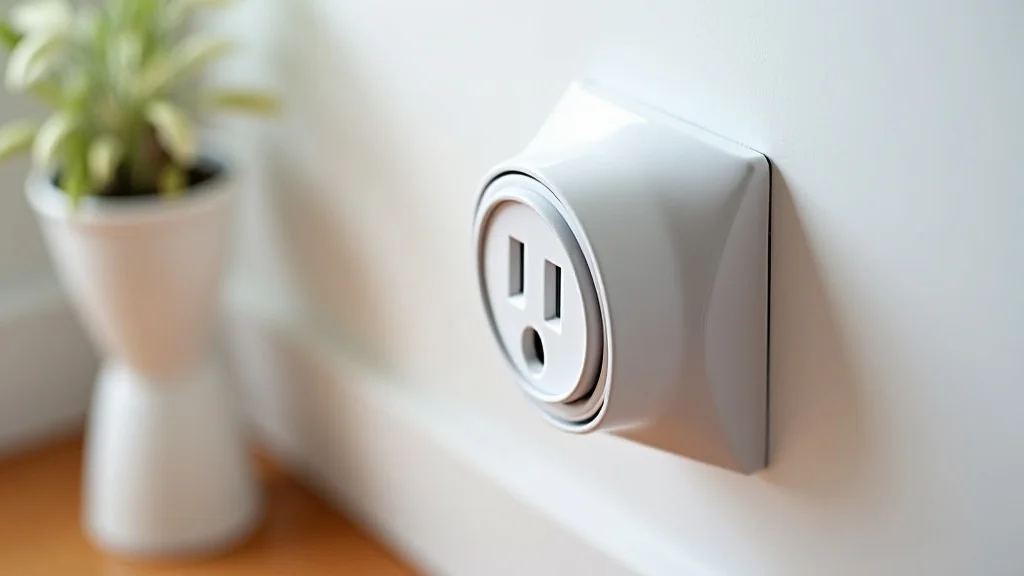
Electrical outlets are a common concern for parents. Babies and toddlers are naturally drawn to these small holes, seeing them as perfect places to poke fingers or toys. Outlet covers prevent little fingers from touching live wires, which can cause serious electrical shocks.
There are several types available. Simple plastic plug covers are inexpensive and easy to use. They simply push into the outlet.
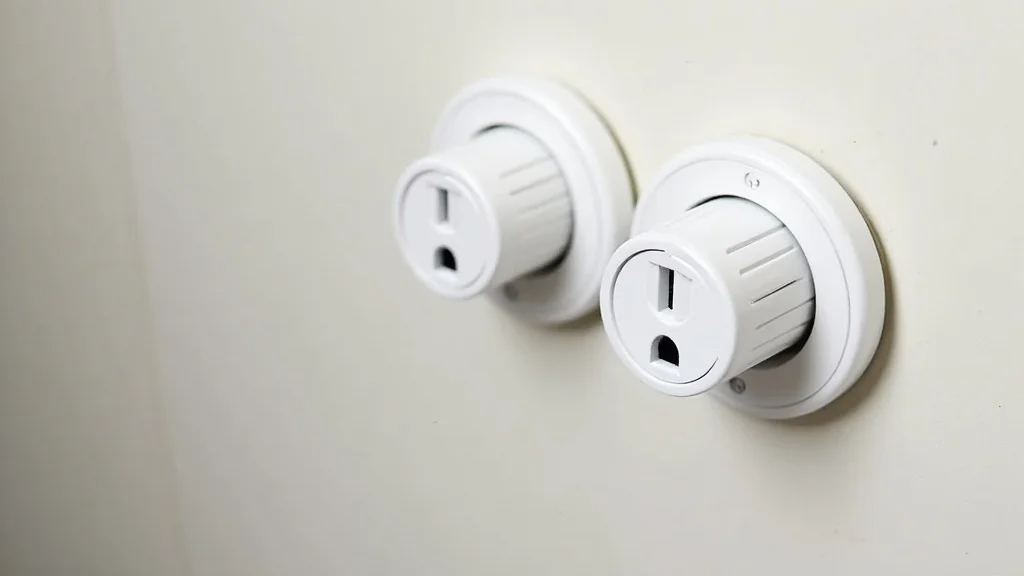
Plate covers replace your existing outlet plates. They have built-in shutters that automatically close when nothing is plugged in. This makes them more secure as they can’t be easily removed.
Some advanced versions require a specific tool to remove, offering extra protection.
- Outlet covers are vital for preventing electrical shocks. They block access to the electrical sockets.
- Choose between simple plug-in covers or more secure plate replacements. Plug-in covers are cheap and easy. Plate covers offer better security.
- Ensure all unused outlets are covered, especially in areas where your baby spends time. This includes living rooms, bedrooms, and play areas.
Cabinet and Drawer Locks
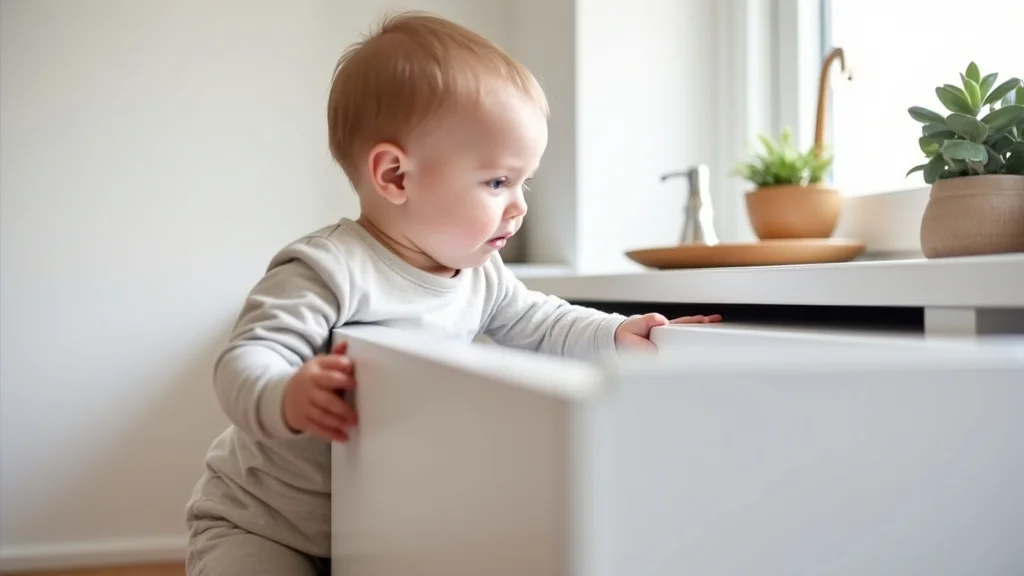
Kitchen cabinets and bathroom drawers often contain cleaning supplies, sharp objects, or medications that are dangerous for babies. Cabinet and drawer locks stop your child from opening these potential hazards. Magnetic locks are a popular choice.
They are installed inside the cabinet or drawer and are only opened with a magnetic key. This means they are invisible from the outside, maintaining the look of your cabinets. Child-resistant latches are another option.
These stick to the outside of the cabinet or drawer and require a special release mechanism to open. Some are spring-loaded. Others need to be squeezed in a certain way.
- These locks keep dangerous items like cleaning products and sharp objects out of reach.
- Magnetic locks are discreet and secure, requiring a special key to open. They are installed on the inside.
- Adhesive latches are easy to install on the outside and offer quick access for adults.
Corner Guards and Edge Bumpers
Sharp corners on furniture like coffee tables, end tables, and countertops can be a real danger. As babies start to crawl and walk, they are bound to bump into things. Corner guards and edge bumpers provide cushioning to soften any impacts.
These are typically made of soft foam or rubber. They attach to the edges of furniture with adhesive. Installation is usually straightforward.
Just peel the backing and stick them on. They come in various colors and styles to match your decor. Keeping a baby proofing checklist helps ensure you don’t miss any sharp edges.
- Protect your baby from bumps and bruises on sharp furniture corners.
- Made from soft materials, these guards absorb impact. They are usually foam or rubber.
- Adhesive backing makes them easy to apply to tables, counters, and other furniture edges.
Safety Gates
Stairways and doorways are common accident spots. Safety gates create physical barriers to prevent your baby from accessing dangerous areas. There are two main types: hardware-mounted and pressure-mounted gates.
Hardware-mounted gates are screwed into the wall or door frame. They are considered the safest option, especially for the top of stairs. Pressure-mounted gates use rubber-tipped pressure bolts to hold them in place.
They are generally easier to install and remove but should not be used at the top of stairs. Look for gates that are tall enough to prevent climbing and have vertical slats that won’t allow a baby’s head to get stuck.
- Essential for blocking access to stairs and other hazardous areas.
- Hardware-mounted gates are best for the top of stairs due to their secure installation.
- Pressure-mounted gates are good for doorways and high-traffic areas. They are easy to move.
Window Guards and Cord Winders
Windows can pose fall risks, especially on upper floors. Window guards are bars or screens that attach to the window frame, preventing a child from falling out. They are often adjustable to fit different window sizes.
Many are designed to still allow for emergency escape. Blind cords are another hidden danger. Babies can become entangled in the loops of blind cords, leading to strangulation.
Cord winders, cleats, and tensioners can secure these cords safely. They wrap up excess cord, keeping it out of reach. Always ensure cords are properly managed.
- Window guards prevent falls by creating a barrier on windows.
- Secure blind cords with winders or cleats to avoid strangulation hazards.
- Regularly check window treatments to ensure cords are always managed safely.
Baby Proofing Specific Rooms
Once you have your basic supplies, it’s time to think room by room. Each area of your home presents unique challenges and requires specific attention. A systematic approach ensures no stone is left unturned.
Focusing on each room allows you to identify hazards tailored to that space and implement targeted solutions. This detailed approach is key to comprehensive baby proofing a house.
The Kitchen
The kitchen is a hub of activity and a prime location for potential dangers. Sharp knives, hot stoves, cleaning chemicals, and slippery floors are just a few of the hazards. Start by securing all cabinets and drawers containing hazardous items with child-resistant locks.
This includes drawers with utensils and cabinets with cleaning supplies. Install stove knob covers to prevent your child from turning on the stove. A stove guard can also prevent them from reaching pots and pans on the stovetop.
For refrigerators and ovens, consider appliance locks. These prevent accidental openings. Ensure dishwashers and trash compactors have locks engaged.
Keep small appliances like toasters and blenders unplugged and stored out of reach.
- Secure all cabinets and drawers containing chemicals, knives, or small appliances.
- Use stove knob covers and a stove guard to prevent burns and accidents on the cooktop.
- Appliance locks for refrigerators, dishwashers, and ovens add an extra layer of safety.
To prevent accidental burns, consider using oven thermometers and always turning pot handles inward. Keep a fire extinguisher and a first-aid kit easily accessible in the kitchen, but out of reach of children. Regularly check that the floor is dry to prevent slips.
A real-life example involves a toddler who managed to open the dishwasher before it was run. They pulled out sharp knives and forks, creating a dangerous situation. Installing secure dishwasher locks and ensuring the door was always fully closed prevented this from becoming a serious incident.
This highlights the importance of not overlooking seemingly minor entry points.
The Bathroom
The bathroom is another high-risk area due to water, chemicals, and slippery surfaces. Always supervise your baby during bath time. Never leave them unattended, even for a moment.
Install faucet covers to protect against bumps and burns. These often have temperature indicators. Ensure all medications are stored in high, locked cabinets.
This includes vitamins and over-the-counter remedies. Toilet lids should be kept closed and secured with a toilet lid lock. This prevents drowning hazards and keeps curious fingers out.
Secure all cleaning supplies with cabinet locks. Non-slip mats for the tub and floor can prevent falls.
- Supervise baths at all times and use faucet covers to prevent burns and injuries.
- Lock away all medications and cleaning supplies immediately after use.
- Toilet lid locks are essential to prevent drowning and accidental access.
Consider installing a shower door lock or ensuring the shower door is always closed and latched. Make sure any electrical appliances in the bathroom are kept away from water sources and are unplugged when not in use. This includes hair dryers and curling irons.
The Nursery and Bedrooms
While the nursery is designed for baby’s comfort, it also requires careful attention to safety. Ensure the crib meets current safety standards. There should be no drop-side rails, and the mattress should fit snugly with no gaps.
Keep the crib free of loose bedding, bumpers, and stuffed animals, as these can pose suffocation risks. Furniture, like dressers and bookshelves, should be anchored to the wall to prevent tip-overs. Babies can pull on drawers or try to climb them, leading to serious accidents.
Check for any exposed electrical cords from lamps or monitors and secure them. Use outlet covers on all unused sockets.
- Ensure the crib is safe and free of suffocation hazards like bumpers and excess bedding.
- Anchor all tall furniture like dressers and bookshelves to the wall.
- Manage electrical cords and use outlet covers to prevent shock hazards.
In bedrooms, ensure that windows are secure with guards or locks. Keep small toys and objects that could be choking hazards out of reach. Bedside tables should also be checked for sharp corners and secured if necessary.
Living Areas and Play Spaces
Living rooms and play areas are where your baby will spend much of their time exploring. This means these spaces need to be thoroughly baby proofed. Cover all electrical outlets with safety plugs.
Secure any loose cords from lamps, electronics, or blinds. Furniture should have corner guards on any sharp edges. Large, heavy furniture should be anchored to the wall.
This includes entertainment centers and sofas. Fi
- Secure all electrical outlets and manage loose cords from electronics and window treatments.
- Use corner guards on furniture and anchor large items to the wall.
- Install a fireplace guard to protect against hot surfaces and falling objects.
Remove any small decorative items or plants that could be choking hazards or poisonous. Ensure that area rugs are secured with non-slip padding underneath to prevent tripping. If you have glass doors or tables, consider applying safety film to prevent shattering if they break.
Managing Furniture Stability and Cords
Furniture tip-overs are a significant and often underestimated danger for young children. In the United States, a child dies every two weeks from furniture tip-overs, and one child is injured every 24 minutes. These incidents can happen quickly.
A curious child might try to climb a dresser or bookshelf, or a heavy television can fall if not properly secured. Anchoring furniture to the wall is a critical step in baby proofing a house. You can use furniture straps or L-brackets.
These attach the furniture to wall studs, providing a strong anchor. Always follow the manufacturer’s instructions for installation.
Securing Heavy Furniture
Dresser drawers can be easily pulled out by a toddler, creating a tipping hazard. Bookshelves are also prone to tipping if loaded heavily on the top shelves. Wall anchors are widely available and relatively inexpensive.
They are designed to hold significant weight. When installing, locate wall studs for the most secure attachment. If attaching to drywall only, use heavy-duty drywall anchors.
Always double-check that the anchor is securely fastened to both the furniture and the wall.
- Anchor all tall or heavy furniture like dressers, bookshelves, and entertainment centers to the wall.
- Use furniture straps or L-brackets for secure attachment to wall studs.
- Regularly inspect anchors to ensure they remain tight and secure.
Dealing with Cords and Blinds
Electrical cords from appliances, chargers, and lamps can present a tripping hazard. They can also be tempting for babies to chew on, which can lead to electric shock. Keep cords tidy and out of reach.
Use cord organizers, clips, or run them behind furniture. For window blind cords, use cord winders or cleats to keep them pulled up and out of reach. Ensure that any pull cords are as short as possible.
Cordless window treatments are an even safer option. Many manufacturers offer cordless blinds and shades. These eliminate the cord hazard entirely.
- Organize electrical cords and keep them out of reach to prevent tripping and chewing hazards.
- Use cord winders or cleats to secure window blind cords and prevent strangulation risks.
- Consider cordless window treatments as a safer alternative.
A sample scenario: A baby is playing in the living room and crawls towards a floor lamp. The lamp’s cord is loose and lying across the floor. The baby pulls on the cord, which causes the lamp to fall.
If the lamp is heavy, it could injure the baby. By using cord clips to secure the lamp cord to the leg of a nearby table, this risk is eliminated.
Child Safety Gates and Stair Safety
Stairs are a significant hazard for babies and toddlers. They can easily fall down them if they are not properly protected. Child safety gates are the most crucial tool for preventing stair-related accidents.
As mentioned earlier, hardware-mounted gates are the safest option for the top of staircases. They are securely screwed into the wall and provide a solid barrier. Pressure-mounted gates, while convenient for doorways, can be dislodged if a child leans on them forcefully.
This makes them unsuitable for top-of-stairs applications.
Choosing and Installing Gates
When selecting a gate, ensure it’s tall enough to prevent climbing. Look for gates with vertical slats, spaced closely enough that your baby’s head cannot get stuck between them. Some gates have extra-wide openings or swing-away features for convenience.
Installation is key. For hardware-mounted gates, follow the instructions carefully and use the provided hardware. Ensure the gate is level and securely fastened.
For pressure-mounted gates, make sure the pressure bolts are tightened evenly. Periodically check the gate for any signs of wear or loosening.
- Hardware-mounted gates are the safest choice for the top of stairs.
- Ensure gates are tall enough and have narrow slat spacing to prevent climbing and head entrapment.
- Regularly check gates for security and wear.
Outdoor Safety Considerations
Baby proofing extends beyond the interior of your home. Your outdoor spaces, like yards and patios, also need attention. Fencing is essential to keep children safe in the yard and prevent them from wandering into streets or unsupervised areas.
Ensure any gates in the fence are self-closing and self-latching. For decks and balconies, install sturdy railings with no gaps large enough for a child to fall through. If you have a swimming pool, it should be enclosed by a fence with a self-closing, self-latching gate.
Pool alarms can also provide an extra layer of security.
- Secure your yard with sturdy fencing and self-closing gates.
- Ensure decks and balconies have safe railings without large gaps.
- Install pool fencing and alarms if you have a swimming pool.
Supervise children closely when they are playing outdoors. Inspect play equipment for any damage or potential hazards. For instance, check swing chains for rust or wear.
Ensure slides are secure and have safe landing zones.
Common Myths Debunked
Myth 1: Baby proofing is only for babies who crawl.
This is a common misconception. Babies begin exploring their environment from birth. Even infants who can’t yet move independently can be at risk.
For example, they can reach for dangling cords or be exposed to small objects within their grasp from a crib. As soon as your baby can roll over or reach for things, it’s time to start baby proofing. The active phase of crawling and walking just requires more intensive measures.
Myth 2: Baby proofing makes a house look unsightly.
While some early baby proofing products might have been bulky or unattractive, modern options are much more discreet. Many companies offer products in various colors and styles that blend with home decor. Magnetic cabinet locks are invisible from the outside, and sleek outlet covers are available.
With careful selection, you can achieve a safe home without sacrificing aesthetics. It’s about choosing the right products and integrating them thoughtfully.
Myth 3: Professional baby proofing services are too expensive.
While professional services exist, most baby proofing can be effectively done by parents themselves with readily available and affordable products. The majority of essential items like outlet covers, cabinet locks, and corner guards are inexpensive. Many stores offer starter kits.
The key is research and consistent application. Many online resources and guides, like this one, provide detailed instructions and product recommendations.
Myth 4: Once baby proofed, the job is done.
Baby proofing is not a one-time task. As your child grows and develops new skills, their access and understanding of potential hazards change. What was safe for a crawler might not be safe for a climber.
It’s an ongoing process. Regularly reassess your home as your child reaches new milestones. For instance, as they learn to open doors, you might need new types of locks.
As they become more mobile, you’ll need to review furniture stability and cord management.
Frequently Asked Questions
Question: How often should I check my baby proofing supplies?
Answer: It’s a good idea to inspect your baby proofing supplies every few months, or whenever your child reaches a new developmental milestone. Check that locks are still secure, covers are in place, and nothing is damaged or loose.
Question: What are the most important things to baby proof first?
Answer: Focus on high-risk areas like stairs, electrical outlets, cabinets containing dangerous items, and unsecured furniture. These are the areas where serious accidents are most likely to occur.
Question: Can I baby proof my home without spending a lot of money?
Answer: Yes, absolutely. Many effective baby proofing measures involve inexpensive items like outlet plugs, cabinet latches, and securing furniture with basic hardware. Prioritize the most crucial safety aspects first.
Question: Are cordless blinds really safer than corded ones?
Answer: Yes, cordless blinds are significantly safer. They eliminate the strangulation hazard posed by dangling cords, which can be a serious risk for young children.
Question: How can I prevent my baby from accessing the stove?
Answer: Use stove knob covers and consider installing a stove guard that prevents access to the burners and oven door. Always supervise your child in the kitchen.
Conclusion
Creating a safe environment for your child is an essential part of parenting. By systematically addressing potential hazards in each room, securing furniture, and managing cords, you can significantly reduce the risk of accidents. Consistent vigilance and adapting your baby proofing as your child grows will ensure their continued safety as they explore their world.