You’ve brought your precious little one home, and suddenly every corner of your house seems like a potential hazard. From electrical outlets to sharp furniture edges, the list of worries can feel overwhelming. You want your home to be a safe haven, but where do you start?
Getting organized is key, and that’s where a comprehensive baby proofing checklist pdf comes in. This guide will help you systematically cover all the essential areas, giving you peace of mind and more time to enjoy those precious baby moments.
Key Takeaways
- How to identify common household hazards for babies.
- A structured approach to securing different areas of your home.
- Tips for choosing and using baby proofing products effectively.
- The importance of regular checks and updates as your baby grows.
- Where to find and utilize a downloadable baby proofing checklist pdf.
Creating A Safe Nursery Environment
The nursery is often the first room parents focus on when it comes to baby safety. It’s a space designed for rest and play, but it also contains unique risks. Ensuring this room is secure from the moment your baby arrives is paramount.
We will explore the specific items and areas that need attention to make this special room a secure sanctuary.
Crib Safety Standards
The crib is where your baby will spend a significant amount of time sleeping. It is essential that it meets current safety standards to prevent accidents. Older cribs, or those that have been modified, can pose risks like entrapment or suffocation.
Always ensure the crib you are using is approved and in good condition.
- Mattress Fit: The crib mattress should fit snugly. There should be no more than two fingers’ width between the mattress edge and the crib side. A loose mattress can create a dangerous gap where a baby’s head could get trapped.
- Slat Spacing: Crib slats should be no more than 2 3/8 inches apart. This is to prevent a baby’s head from fitting through the slats.
- No Decorative Elements: Avoid cribs with drop-side rails, corner posts extending above the end panels, or any decorative cutouts. These can be hazards.
- Firm Mattress: A firm mattress supports your baby’s development and reduces the risk of Sudden Infant Death Syndrome (SIDS).
Securing Changing Tables and Dressers
Changing tables and dressers are common furniture items in nurseries, but they can become tipping hazards if not secured properly. Babies are surprisingly strong and can pull themselves up sooner than you think. Always make sure these items are anchored to the wall.
- Anchor Furniture: Use furniture anchors to secure dressers and changing tables to the wall. This prevents them from tipping over if your child tries to climb them.
- Strap System: Many furniture straps come with straps that attach to the furniture and then to the wall stud. Ensure they are installed correctly and securely.
- Clear Top Surfaces: Keep the top of the changing table clear of unnecessary items. This reduces the chance of them falling off or being grabbed by your baby.
Toy Safety and Storage
Toys are vital for a baby’s development, but they can also present choking hazards or have small parts that can break off. Proper storage also prevents tripping hazards.
- Age-Appropriate Toys: Select toys that are specifically designed for your baby’s age group. Avoid toys with small parts that could be swallowed.
- Check for Damage: Regularly inspect all toys for broken pieces, sharp edges, or loose parts. Discard any damaged toys immediately.
- Safe Storage: Use toy bins or shelves with lids that are easy for adults to open but not for babies. Ensure bins are stable and won’t tip over.
Baby Proofing The Living Areas
The living room, family room, and other common areas are where your baby will spend a lot of time exploring. These spaces typically have more furniture, electrical outlets, and potential dangers. A thorough approach to these areas is essential.
Protecting Against Falls and Bumps
As babies begin to crawl and walk, they are more prone to falls. Sharp corners on furniture, low coffee tables, and hearths all pose risks. Taking steps to soften these hazards can prevent serious injuries.
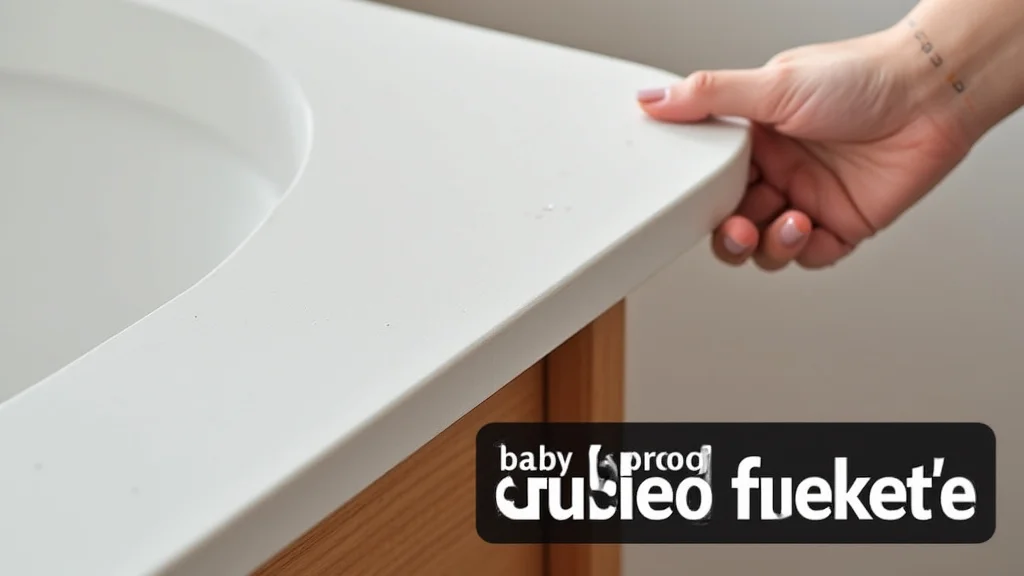
- Corner Guards: Install soft corner guards on the sharp edges of tables, countertops, and furniture. These are typically made of foam or rubber and are easy to attach.
- Pad Floors: Use play mats or soft rugs in areas where your baby frequently plays or might fall. This provides a cushioned surface.
- Secure Rugs: Make sure area rugs have non-slip backing or use rug grippers to prevent them from sliding. A sliding rug can cause a trip hazard.
Electrical Outlet and Cord Safety
Electrical outlets and cords are a major concern for parents. Babies are naturally curious and can easily be injured by sticking fingers or objects into outlets or by pulling on cords.
- Outlet Covers: Use safety outlet covers that completely seal the opening. Sliding covers or those that require a tool to remove are generally safer than simple plug covers.
- Cord Management: Keep electrical cords tucked away and out of reach. Use cord shorteners or organizers to keep excess cord length contained.
- Unplug Appliances: Unplug appliances when they are not in use, especially those with heating elements like toasters or curling irons.
Window and Blind Cord Safety
Window blind cords pose a serious strangulation hazard to young children. Even short cords can be dangerous. Always take steps to minimize this risk.
- Cordless Blinds: Whenever possible, opt for cordless blinds or shades. These eliminate the cord hazard entirely.
- Cord Cleats: For corded blinds, install cord cleats high on the wall to wrap cords securely out of reach.
- Cut Cords Short: If cords cannot be removed or secured with cleats, cut them to a length that is well above your child’s reach.
Securing Entertainment Centers and Electronics
Televisions, stereos, and other electronic devices can be heavy and unstable, posing a tipping risk. Anchor these items securely to prevent accidents.
- Anchor TVs: Use anti-tip straps to secure flat-screen televisions to the wall. Ensure the straps are strong and properly installed.
- Secure Cabinets: If your electronics are in cabinets, ensure the cabinets themselves are anchored to the wall.
- Limit Access: Consider using furniture straps to prevent doors on entertainment centers from being opened easily by curious little hands.
Baby Proofing The Kitchen And Bathroom
These two rooms contain some of the most significant hazards in the home, from hot water to cleaning chemicals. Every cabinet, drawer, and appliance needs careful consideration.
Kitchen Safety Measures
The kitchen is a hub of activity, with sharp knives, hot surfaces, and cleaning supplies. Making this room safe requires diligence in securing cabinets and appliances.
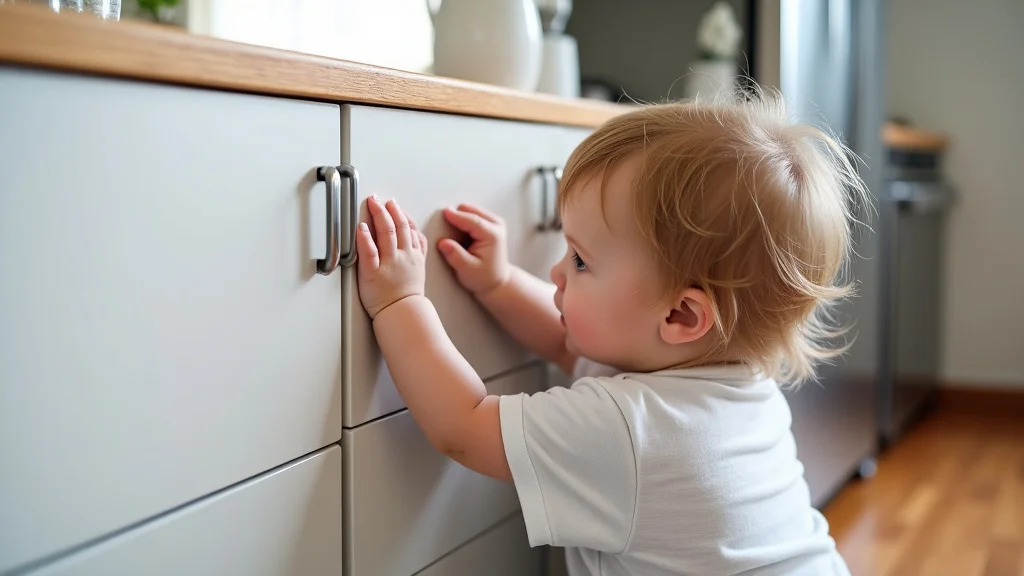
- Cabinet and Drawer Locks: Install safety locks on all lower cabinets and drawers that contain cleaning supplies, sharp objects, or anything hazardous. Magnetic locks or those requiring a specific mechanism are often more secure.
- Stove and Oven Safety: Use oven door locks and stove knob covers to prevent your child from accessing hot surfaces or turning on the stove. Always use back burners whenever possible.
- Appliance Safety: Secure appliances like dishwashers and refrigerators with child-proof latches. Ensure the garbage can is also out of reach or secured.
- Countertop Hazards: Keep knives, sharp utensils, and hot liquids away from the edges of countertops.
Bathroom Safety Essentials
The bathroom presents risks of drowning, burns, and exposure to harmful products. It is crucial to address all potential dangers in this high-risk area.
- Toilet Locks: Use toilet lid locks to prevent your child from opening the toilet lid, which could lead to drowning or them playing with the water.
- Water Temperature: Always set your water heater to a safe temperature, ideally no higher than 120°F (49°C), to prevent scalding. Test bathwater temperature before placing your baby in the tub.
- Secure Medicines and Chemicals: Store all medications, cleaning supplies, and personal care products in locked cabinets, out of reach and sight.
- Non-Slip Surfaces: Use non-slip mats in the bathtub and on the bathroom floor to prevent falls.
- Electrical Safety: Keep all electrical appliances, like hair dryers and shavers, unplugged and stored away from water sources.
Additional Baby Proofing Considerations
Beyond the main living areas, there are other aspects of your home that require attention. These might include stairways, doorways, and even outdoor spaces.
Stairway Safety
Stairs are a significant hazard as babies become mobile. A sturdy baby gate is essential to prevent falls.
- Install Baby Gates: Use hardware-mounted baby gates at the top and bottom of all staircases. Pressure-mounted gates should only be used at the bottom of stairs.
- Check Gate Stability: Ensure gates are installed correctly and are sturdy. Regularly check them for any signs of damage or loose parts.
- Keep Stairs Clear: Do not allow toys or other items to accumulate on the stairs, as they can create tripping hazards.
Door Knob Covers and Door Jams
Doorways can lead to dangerous areas, and curious toddlers might try to get into places they shouldn’t. Door knob covers and door jams can help.
- Door Knob Covers: These plastic covers fit over doorknobs, making them difficult for young children to turn.
- Door Jams: Door jams prevent doors from slamming shut, which can trap little fingers. They also stop doors from opening into areas you want to keep off-limits.
- Secure Doors: Ensure that doors leading to garages, basements, or outside are always kept securely closed.
Outdoor Safety
If you have an outdoor space, it also needs to be assessed for safety. Fences, pools, and garden equipment can pose risks.
- Secure Fences: Ensure any fences around your yard are secure and have no gaps large enough for a child to squeeze through. Gates should have self-latching mechanisms.
- Pool Safety: If you have a pool, it must be surrounded by a sturdy fence with a self-closing, self-latching gate. Never leave a child unsupervised near water.
- Remove Hazards: Keep garden tools, pesticides, and other potentially dangerous items stored securely and out of reach.
Utilizing Your Baby Proofing Checklist PDF
A downloadable baby proofing checklist pdf is an invaluable tool. It provides a structured format to ensure you do not miss any critical safety measures. Think of it as your roadmap to a safer home.
- Systematic Review: Use the checklist to go through each room methodically. Mark off items as you address them.
- Adapt to Your Home: No two homes are exactly alike. While the checklist is comprehensive, feel free to add specific concerns unique to your living space.
- Regular Updates: As your child grows, their capabilities change, and new hazards emerge. Revisit your checklist every few months, and especially when your child reaches new developmental milestones.
Choosing and Installing Safety Devices
The market offers a wide array of baby proofing products. It is important to choose devices that are effective, easy to use, and appropriate for your needs.
- Read Reviews: Before purchasing safety devices, read reviews from other parents. Look for products that are durable and have a good track record for safety.
- Follow Instructions: Always follow the manufacturer’s installation instructions carefully. Incorrect installation can render a safety device ineffective or even create a new hazard.
- Test Devices: After installing any safety device, give it a gentle tug to ensure it is secure. Periodically check them to make sure they are still functioning correctly.
The Importance of Constant Vigilance
While baby proofing significantly reduces risks, it is not a substitute for supervision. Babies and young children are unpredictable, and constant vigilance is key to their safety.
- Supervision is Key: Never leave a young child unsupervised, especially in potentially hazardous areas like the kitchen or bathroom.
- Educate Other Caregivers: Ensure grandparents, babysitters, and other caregivers are aware of the safety measures you have in place and understand how to maintain them.
- Teach Safety: As your child gets older, begin teaching them about potential dangers and safe behaviors in a way they can understand.
Common Myths Debunked
Myth 1: Baby proofing is a one-time task.
Reality: Baby proofing is an ongoing process. As your baby grows and develops new skills like crawling, climbing, and walking, new hazards will emerge. You will need to adapt your safety measures regularly to keep pace with your child’s evolving abilities and their curiosity.
What was safe at six months may not be safe at eighteen months.
Myth 2: Only houses with young children need baby proofing.
Reality: While the primary focus is on babies and toddlers, many baby proofing measures benefit older children and even adults. For example, securing heavy furniture can prevent accidents for anyone in the home, and outlet covers are a good general safety practice. Extended family or friends who visit with young children will also benefit.
Myth 3: All baby proofing products are equally effective.
Reality: The effectiveness of baby proofing products can vary greatly. It is important to research brands, read reviews, and ensure products meet current safety standards. Some cheaper options might not be as durable or as secure as their more reputable counterparts, leading to a false sense of security.
Myth 4: Baby proofing makes a home look unappealing.
Reality: Many modern baby proofing products are designed to be discreet and blend in with home decor. Clear outlet covers, sleek cabinet locks, and minimal hardware can be installed without detracting from your home’s aesthetic. Safety does not have to come at the expense of style.
Frequently Asked Questions
Question: Where can I find a reliable baby proofing checklist pdf?
Answer: You can find comprehensive baby proofing checklist pdfs from reputable parenting websites, children’s safety organizations, and sometimes from baby product manufacturers. Searching online for “free baby proofing checklist pdf” will yield many options.
Question: How often should I update my baby proofing checklist?
Answer: It is recommended to review and update your baby proofing checklist at least every 3-6 months, and especially whenever your baby reaches a new developmental milestone such as crawling or walking.
Question: Are baby gates really necessary for every staircase?
Answer: Yes, baby gates are essential for both the top and bottom of all staircases. For the top of stairs, always use hardware-mounted gates for maximum security.
Question: What are the most common baby proofing mistakes parents make?
Answer: Common mistakes include relying solely on outlet plugs (which can be a choking hazard), not securing heavy furniture, and neglecting blind cord safety. Underestimating a baby’s agility is also a frequent oversight.
Question: Can I reuse baby proofing items if I have another child?
Answer: Yes, if the items are still in good condition and meet current safety standards. However, always inspect them for wear and tear, and ensure they are still appropriate for the age and developmental stage of your child.
Conclusion
Securing your home with a baby proofing checklist pdf empowers you to create a safe environment for your child. By systematically addressing potential hazards room by room, you can gain confidence and peace of mind. Start today, stay vigilant, and enjoy watching your little one explore their world safely.