That heart-stopping moment when your little one takes their first wobbly steps is pure joy. But it quickly turns to worry when you see them toddling towards a sharp table corner. Every parent wants to create a safe haven for their child.
This guide will show you how a baby proof edge protector is a simple yet effective solution to prevent bumps and bruises. You’ll learn what to look for, how to install it, and why it’s a must-have for any home with a curious toddler.
Key Takeaways
- Choosing the right baby proof edge protector depends on furniture type and child’s age.
- Proper installation is crucial for the protector’s effectiveness and safety.
- Different materials offer varying levels of cushioning and durability.
- Regular checks ensure the edge protector remains secure and functional.
- Safety standards and certifications can guide your purchase decisions.
What Is a Baby Proof Edge Protector
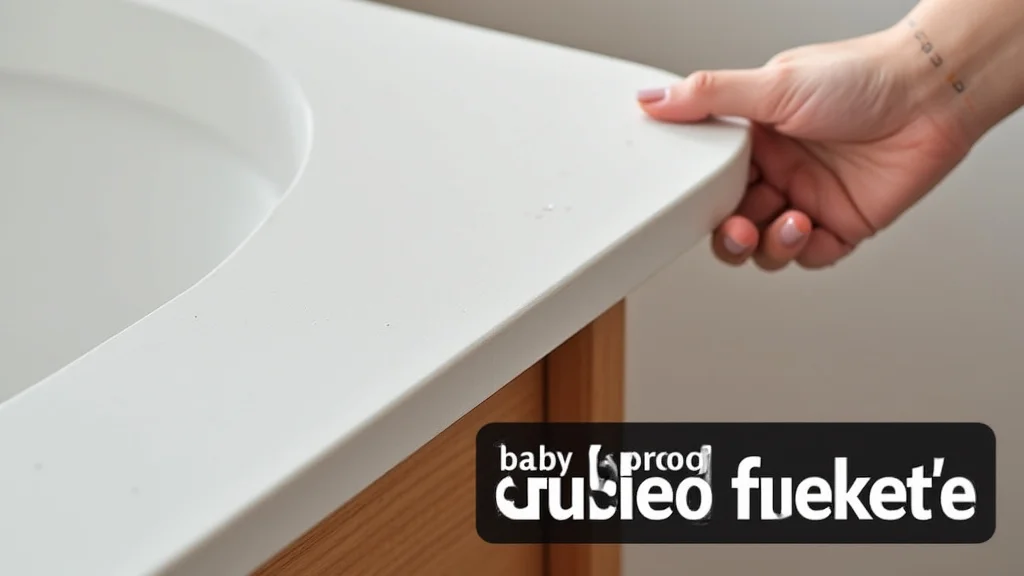
A baby proof edge protector is a safety device designed to cover sharp or protruding edges and corners on furniture and other household items. These protectors act as a soft buffer, significantly reducing the risk of injury should a child bump into them. They are typically made from soft, durable materials like foam or rubber.
Their primary function is to cushion impacts, turning potentially dangerous edges into soft, safe zones for active toddlers. This simple addition to your home can prevent many common accidents.
Purpose and Functionality
The main purpose of a baby proof edge protector is injury prevention. Toddlers are naturally curious and often learn to walk or crawl with little regard for their surroundings. Sharp corners on coffee tables, countertops, fireplace hearths, and even cabinets pose a significant hazard.
When a child falls or runs into these, they can suffer bruises, cuts, or even more serious injuries. The protector absorbs the impact, much like a pillow would, softening the blow and protecting the child’s head, knees, and other vulnerable body parts.
These protectors work by adding a layer of cushioning. They are designed to be flexible and conform to the shape of the furniture edge. Their adhesive backing ensures they stay in place, providing continuous protection.
The thickness and density of the material are important factors determining how much impact it can absorb. A well-chosen and properly installed edge protector can make a significant difference in a child’s safety around the home.
Materials Used in Edge Protectors
The variety of materials used for baby proof edge protectors offers different benefits. Common materials include:
- Foam: Often made from NBR (nitrile butadiene rubber) or similar soft foams. This is a very popular choice because it is lightweight, flexible, and provides excellent cushioning. It’s also usually inexpensive and easy to cut to size. The soft texture makes it comfortable even if a child leans against it.
- Silicone: Silicone protectors are often more durable and sometimes more aesthetically pleasing than foam. They can be transparent or come in various colors. Silicone offers good grip and can withstand more wear and tear, making them a longer-lasting option for many households.
- Gel: Some protectors use a clear gel-like material that offers a balance of cushioning and less obtrusive appearance. These can be particularly good for families who want effective safety without significantly altering the look of their furniture.
- Rubber: Similar to silicone, rubber offers good durability and cushioning. It can be very effective in absorbing impacts and is often used for heavier-duty protection.
Each material has its pros and cons regarding durability, aesthetics, and cost. Foam is generally the most budget-friendly and provides good cushioning. Silicone and rubber may be more expensive but can offer superior longevity and a cleaner look.
Gel offers a compromise between clear visibility and safety cushioning.
Types of Edge Protectors
Baby proof edge protectors come in various shapes and forms to suit different furniture and safety needs. The most common types include:
- Corner Guards: These are specifically designed for the sharp corners of tables, countertops, and other flat surfaces. They often have a 90-degree angle to fit snugly over the corner.
- Edge Strips: These are long, flexible strips of cushioning material that can be cut to length to cover the entire length of a table edge, shelf, or hearth. They are versatile and can be applied to almost any linear edge.
- Rolls of Cushioning: Similar to edge strips but often come in wider rolls, allowing for more customization. These are great for larger projects or irregularly shaped furniture.
- Pre-shaped Protectors: Some protectors are designed for specific items, like cabinet door edges or appliance handles, offering a more integrated look.
The choice of type often depends on the specific furniture piece you need to protect. For instance, a coffee table with sharp corners would benefit from corner guards, while a long bookshelf might be better protected by edge strips.
Benefits of Using Baby Proof Edge Protectors
Implementing baby proof edge protectors offers a multitude of benefits for both parents and children. The most significant advantage is, of course, enhanced safety. By softening hard, sharp edges, these protectors directly prevent injuries that can occur during a child’s active exploration of their environment.
This peace of mind is invaluable for parents who are constantly worried about potential hazards in their homes.
Child Safety and Injury Prevention
The primary benefit is the dramatic reduction in accidental injuries. Toddlers are prone to falls and bumps as they learn to navigate their world. Sharp furniture corners are a common source of these injuries, leading to bruises, scrapes, and even cuts.
A baby proof edge protector acts as a vital barrier, absorbing the force of impact. This means fewer emergency room visits and less stress for parents.
Consider a scenario where a child is playing and stumbles near a coffee table. Without protection, a direct hit to a sharp corner could cause significant pain and injury. With a well-placed edge protector, the impact is softened considerably, turning a potentially nasty fall into a minor bump, if that.
This proactive safety measure allows children to explore and move freely without parents having to constantly hover.
A study published in the Journal of Pediatric Injury Prevention found that implementing household safety measures, including corner guards and edge padding, was associated with a significant decrease in non-fatal head injuries among young children. This highlights the real-world impact of these simple safety devices.
Peace of Mind for Parents
Knowing that your home is equipped with safety features like baby proof edge protectors significantly alleviates parental anxiety. You can relax a little more, allowing your child to develop their independence and motor skills without the constant fear of them getting hurt. This allows for more quality family time and less time spent worrying about potential accidents.
For many parents, especially those of first-time walkers, the anxiety can be overwhelming. Every sharp corner or protruding edge can seem like a potential disaster waiting to happen. Investing in edge protectors provides a tangible solution, allowing parents to focus on enjoying their child’s developmental milestones rather than being consumed by worry.
This emotional benefit is often as important as the physical safety aspect.
Cost-Effectiveness
Compared to the cost of medical treatment for injuries or the emotional toll of an accident, baby proof edge protectors are an incredibly cost-effective safety solution. They are generally inexpensive to purchase and easy to install, making them an accessible option for most families. The long-term savings in potential medical bills and the priceless peace of mind make them a wise investment.
When you weigh the price of a few rolls of foam protector or a pack of corner guards against a trip to the emergency room for stitches or a concussion, the decision becomes clear. These safety items are a small price to pay for the protection they offer. Furthermore, they are a one-time purchase that provides continuous safety for months or even years.
Aesthetic Considerations
While safety is paramount, many modern baby proof edge protectors are designed to be less intrusive and more aesthetically pleasing than older versions. They come in clear, neutral, or even colored options that can blend in with furniture decor. This means you don’t have to sacrifice the look of your home for safety.
Transparent silicone or gel protectors are particularly popular because they are almost unnoticeable on dark or light wood furniture. This allows the natural beauty of your furniture to remain visible while still providing essential protection. Some brands even offer different textures and finishes to match various styles, from modern minimalist to classic wood tones.
How to Choose the Right Baby Proof Edge Protector
Selecting the best baby proof edge protector for your home involves considering several key factors. It’s not a one-size-fits-all situation. The type of furniture, the materials used in the protector, and the specific safety needs of your child all play a role in making the right choice.
Assessing Your Needs
Before you shop, take a walk around your home and identify all potential hazards. Make a list of the furniture pieces that have sharp edges or corners. Consider the height of these edges relative to your child’s height as they crawl, stand, and walk.
Also, think about how much traffic the area gets. A high-traffic area like a coffee table might need a thicker, more robust protector than a seldom-used shelf edge.
Think about the shape of the edges. Are they square, rounded, or beveled? This will determine whether you need corner guards, edge strips, or a combination of both.
Some protectors are more flexible and can adapt to slightly curved edges, while others are best for straight lines and sharp angles. The age and mobility of your child are also important; a very active climber might require more durable protection than a content crawler.
Material and Durability
As discussed earlier, materials like foam, silicone, and gel offer different levels of cushioning and durability. Foam is generally soft and affordable, making it a good general-purpose option. However, it can be susceptible to chewing by some toddlers, and its durability might be less than silicone or rubber.
Silicone and rubber protectors tend to be more durable, resistant to wear and tear, and sometimes easier to clean. They are also often more resistant to heat, which can be important for kitchen or dining areas. Clear gel protectors offer a discreet look but might not provide as much cushioning as thicker foam or rubber options.
Consider how long you intend to use the protectors. If you plan to use them for a year or two, a more durable material might be a better long-term investment.
Foam vs. Silicone Comparison
| Feature | Foam | Silicone |
|---|---|---|
| Cushioning | Excellent, soft | Good to very good |
| Durability | Moderate, can be chewed | High, resistant to wear |
| Aesthetics | Available in various colors, can be bulky | Often clear or neutral, can be discreet |
| Cost | Low | Moderate to high |
| Installation | Easy, often self-adhesive | Easy, often self-adhesive |
The table above provides a quick comparison. For maximum softness and affordability, foam is often the go-to. If you prioritize longevity and a cleaner look, silicone is a strong contender.
The choice often comes down to balancing cost, appearance, and how much abuse the protector is likely to withstand.
Adhesive Strength and Safety
The adhesive used to attach the edge protector is critical. It needs to be strong enough to keep the protector in place, even with a child pulling or pushing on it. However, it should also be safe and ideally removable without damaging your furniture surfaces when it’s time to take them off.
Look for products that specify the type of adhesive used, such as strong double-sided tape.
Some products come with a residue-free adhesive, which is a major plus for valuable furniture. Always test the adhesive on an inconspicuous area of your furniture first if you are concerned about potential damage. It’s also important to ensure the adhesive itself is non-toxic, as curious toddlers might try to peel it off and put it in their mouths.
Reputable brands will clearly state the safety of their materials.
Certifications and Standards
When purchasing baby proofing products, look for certifications or compliance with relevant safety standards. While there isn’t one universal global standard for all edge protectors, many manufacturers adhere to guidelines for child safety products. This might include testing for hazardous materials like BPA, phthalates, and lead.
Some products may carry certifications from independent testing laboratories. These certifications provide an extra layer of assurance that the product has been evaluated for safety and performance. Always check the product packaging or the manufacturer’s website for information regarding safety standards and testing.
This due diligence helps ensure you’re buying a product that is truly safe for your child.
Installation and Maintenance of Your Baby Proof Edge Protector
Proper installation is key to ensuring your baby proof edge protector functions effectively and safely. Once installed, regular maintenance will keep it secure and in good condition, providing ongoing protection for your child.
Step-by-Step Installation Guide
Most baby proof edge protectors are designed for easy DIY installation. The general process is as follows:
- Clean the Surface: Thoroughly clean the edge or corner of the furniture where you will apply the protector. Remove any dust, dirt, grease, or moisture. A clean surface ensures the adhesive bonds properly. Use a mild cleaner and dry the area completely.
- Measure and Cut: If you are using edge strips or rolls, measure the length needed. Cut the material cleanly using sharp scissors or a utility knife. For corner guards, ensure they are the correct size for the corner.
- Apply Adhesive: Most protectors come with pre-applied double-sided adhesive tape. Peel off the backing paper from the tape. If the adhesive is not pre-applied, follow the product instructions carefully.
- Position and Press: Carefully align the protector with the edge or corner of the furniture. Press down firmly and hold for the recommended amount of time (usually 30-60 seconds) to ensure a strong bond. Work from one end to the other for strips.
- Allow Adhesive to Cure: For maximum adhesion, it’s often recommended to let the adhesive cure for at least 12-24 hours before allowing children to play around the protected area. Avoid tugging at the protector during this time.
The exact steps may vary slightly depending on the specific product, so always refer to the manufacturer’s instructions for best results. A secure installation means the protector is less likely to be dislodged by a curious toddler.
Ensuring Secure Attachment
A protector that comes loose can become a choking hazard or lose its effectiveness. After installation, gently tug on the protector to ensure it is firmly attached. Pay close attention to corners and ends, as these are often the first places to loosen.
If you notice any signs of loosening, reapply pressure. If the adhesive has lost its stickiness, you may need to clean the furniture surface again and apply new double-sided tape. It’s important to use high-quality replacement tape if needed, ideally one designed for household use or specified by the manufacturer.
For very active children, consider using stronger, furniture-safe adhesive strips specifically designed for baby proofing.
Maintenance and Replacement
Regularly inspect your baby proof edge protectors. Check for signs of wear and tear, such as tears, cracks, or if the material is becoming brittle. Also, check the adhesion periodically.
Toddlers can be surprisingly persistent in trying to pull off anything attached to furniture, so a quick check every few days is wise.
If a protector becomes damaged, excessively dirty, or the adhesive fails, it’s time to
When to Remove Protectors
Most parents remove baby proof edge protectors once their child reaches an age where they are no longer a risk, typically around 2-3 years old, or when they have developed better balance and awareness. However, the exact age varies for each child. You might keep them on longer if you have younger children or if your older child is particularly clumsy.
The key is to observe your child’s behavior and their interaction with furniture. If they no longer bump into edges frequently or seem to understand the concept of caution, you can begin to remove them. When removing, do so slowly and carefully to minimize any damage to your furniture.
If residue remains, use a furniture-safe cleaner or rubbing alcohol (test first) to remove it.
Common Myths Debunked
Myth 1: Baby proof edge protectors are a choking hazard.
This is a common concern, but it can be debunked by focusing on product quality and proper installation. Reputable baby proof edge protectors are made from non-toxic, durable materials that are too large to be swallowed. When installed correctly and securely, they are designed to withstand pulling and tugging.
The real hazard comes from protectors that are poorly made, come loose easily, or are made from materials that break off in small pieces. Choosing certified products and ensuring a strong, secure fit significantly minimizes this risk.
Myth 2: All baby proof edge protectors are ugly and ruin furniture aesthetics.
While older designs might have been bulky and unattractive, modern baby proof edge protectors are available in a wide range of styles, colors, and materials. Many are designed to be discreet and blend seamlessly with furniture. Clear silicone or gel protectors are almost invisible on wood surfaces, and colored options can even add a playful touch.
The availability of transparent and low-profile designs means you can prioritize safety without significantly compromising your home’s decor.
Myth 3: You only need edge protectors for sharp corners on tables.
This is a limited view of the potential hazards in a home. Sharp edges exist on many items beyond tables, including countertops, fireplace hearths, shelves, beds, desks, and even appliances like refrigerators or ovens. A comprehensive approach to baby proofing involves identifying and protecting all protruding or sharp edges at your child’s level.
Edge strips and rolls are excellent for covering long linear edges, while corner guards are specific to corners.
Myth 4: Baby proof edge protectors are a waste of money because children eventually learn.
While children do learn and develop better motor skills over time, the learning process can involve painful bumps and injuries. Baby proof edge protectors are a temporary safety measure designed to bridge the gap during this critical developmental phase. They prevent injuries during the learning period, reducing the risk of serious harm while your child gains coordination and awareness.
It’s about protecting them during their most vulnerable stages, not about avoiding the natural learning process.
Frequently Asked Questions
Question: How do I clean baby proof edge protectors?
Answer: Most baby proof edge protectors can be cleaned with a damp cloth and mild soap. For stubborn grime, a gentle household cleaner can be used. Always ensure they are thoroughly dried after cleaning before reattaching or if they are part of a system that needs to stay dry.
Question: Can I use baby proof edge protectors on glass tables?
Answer: Yes, you can use them on glass tables, especially on the sharp corners. Ensure the protector is designed for the specific type of glass and that the adhesive is safe for glass surfaces. Clear protectors are often preferred for glass to maintain visibility.
Question: How long do baby proof edge protectors typically last?
Answer: The lifespan of baby proof edge protectors varies depending on the material, quality, and how much wear and tear they endure. Foam protectors might last 6-12 months, while more durable silicone or rubber options can last much longer, sometimes 2-3 years or more, before needing replacement due to damage or loss of adhesion.
Question: Are there any specific safety standards for baby proof edge protectors?
Answer: While there isn’t one single overarching global standard for all edge protectors, many manufacturers adhere to general child safety product guidelines. Look for products that are free from BPA, phthalates, and lead. Certifications from independent testing labs can also indicate adherence to safety protocols.
Question: Can I reuse baby proof edge protectors if I move them?
Answer: This depends on the adhesive. If the protector comes with a strong, reusable adhesive, you might be able to reposition it. However, most standard double-sided tapes lose their stickiness after the first application.
If you need to move them, it’s often best to clean the surface and reapply with fresh, furniture-safe double-sided tape.
Final Thoughts
Creating a safe environment for your child is a top priority. A baby proof edge protector offers a simple, effective, and affordable way to prevent common injuries from sharp furniture. Choosing the right material and ensuring proper installation guarantees lasting protection.
These protectors give you peace of mind, allowing your little one to explore their world safely.