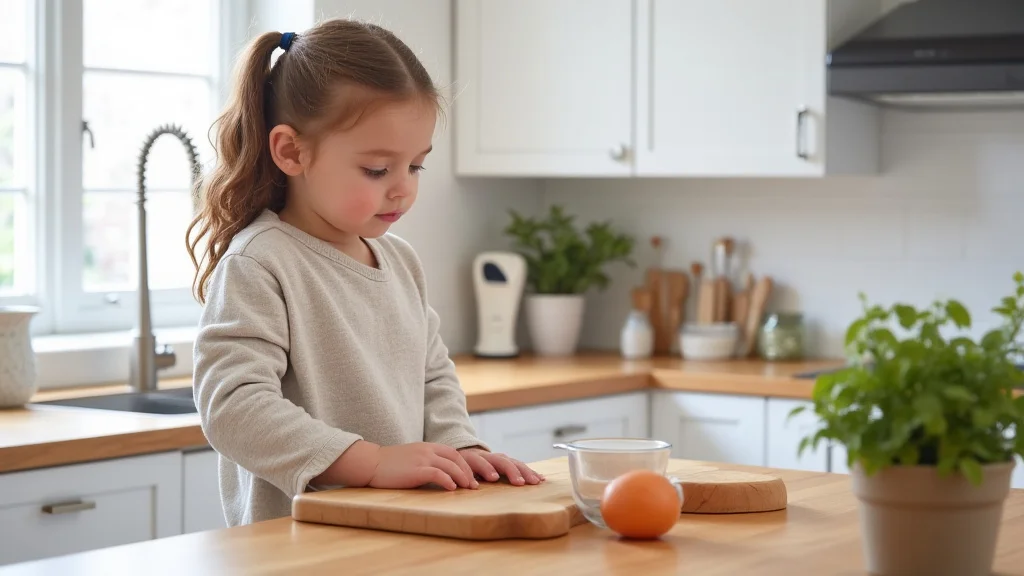
Your kitchen is the heart of your home, filled with exciting sights and sounds for your little explorer. However, it’s also a place with potential hazards for curious babies and toddlers. Imagine your little one reaching for a shiny pot or a tempting cleaning supply cabinet.
It’s a common scenario for many parents. This guide will equip you with practical, easy-to-implement strategies for effective baby proofing kitchen areas. You’ll learn how to create a safer environment, giving you peace of mind while your child discovers their world.
Key Takeaways
- Identify common kitchen hazards for babies and toddlers.
- Learn about essential safety devices and their proper use.
- Understand how to manage appliance and cabinet safety.
- Discover strategies for safe food storage and preparation areas.
- Implement routines for ongoing kitchen safety checks.
Essential Baby Proofing Kitchen Tools
Creating a safe kitchen space for your baby involves using the right tools. These devices act as barriers and reminders, preventing access to dangerous areas or items. They are designed to be effective against a baby’s attempts to explore but usually easy for adults to operate.
Think of them as helpful allies in your safety mission. Investing in quality safety products means you can relax a little more while your baby learns and grows.
Cabinet and Drawer Latches
Cabinets and drawers are treasure troves for babies, often filled with cleaning supplies, sharp objects, or heavy items. Latches come in various forms to secure these access points. Some are magnetic, requiring a special key to open, while others are adhesive or screw-in types.
Magnetic latches are a popular choice because they are hidden from view, maintaining a cleaner aesthetic. Adhesive latches are easy to install and remove without damaging cabinets, making them ideal for renters. Screw-in latches offer the most robust security but require drilling.
The primary function of these latches is to prevent babies from accessing harmful substances like cleaning chemicals or medications. They also stop them from reaching potentially dangerous items like knives, glass, or heavy cookware. A baby’s curiosity can lead them to pull on handles, and without latches, they could open doors and injure themselves.
Statistics show that accidental poisonings are a significant concern for young children, with many occurring in the home. A study found that kitchens are one of the most common locations for such incidents.
- Magnetic Latches offer hidden security. A magnetic key is needed to disengage the latch, making them invisible from the outside. This is great for maintaining the look of your kitchen cabinets.
- Adhesive Latches are easy to install. They stick to the cabinet surface and can be removed without leaving residue. This makes them a flexible option for different types of cabinets and for those who move frequently.
- Spring-Loaded Latches work by pushing down on a lever to release. They are often used on drawers and can be a good option for less frequently accessed areas.
Appliance Safety Locks
Stoves, ovens, refrigerators, and dishwashers all present unique safety challenges. Appliance safety locks are specifically designed to prevent a baby from accidentally turning on an oven, opening a hot oven door, or pulling out a refrigerator drawer. For ovens, safety locks can prevent the door from opening or stop the controls from being tampered with.
Some locks attach to the oven door handle, while others cover the control knobs. For refrigerators, child lock features often prevent easy opening.
Imagine a toddler reaching for the oven knobs and turning them on, or opening a hot oven door. These scenarios are frightening and preventable. Appliance locks are crucial for preventing burns and other injuries.
Some refrigerators have built-in child lock mechanisms, but for others, you might need an external lock that secures the doors. Similarly, dishwashers can be a hazard if a baby opens them while they are running, exposing them to hot water or sharp utensils.
- Stove Knob Covers prevent little hands from turning on the gas or electric burners. They create a physical barrier over the knobs, making them inaccessible.
- Oven Door Locks keep the hot oven door shut. These are important to prevent burns from touching a hot surface or from the door swinging open unexpectedly.
- Refrigerator Locks stop babies from accessing items inside that might be unsafe or making a mess. Some models have built-in child locks, while others require an external strap or lock.
Corner Guards and Edge Bumpers
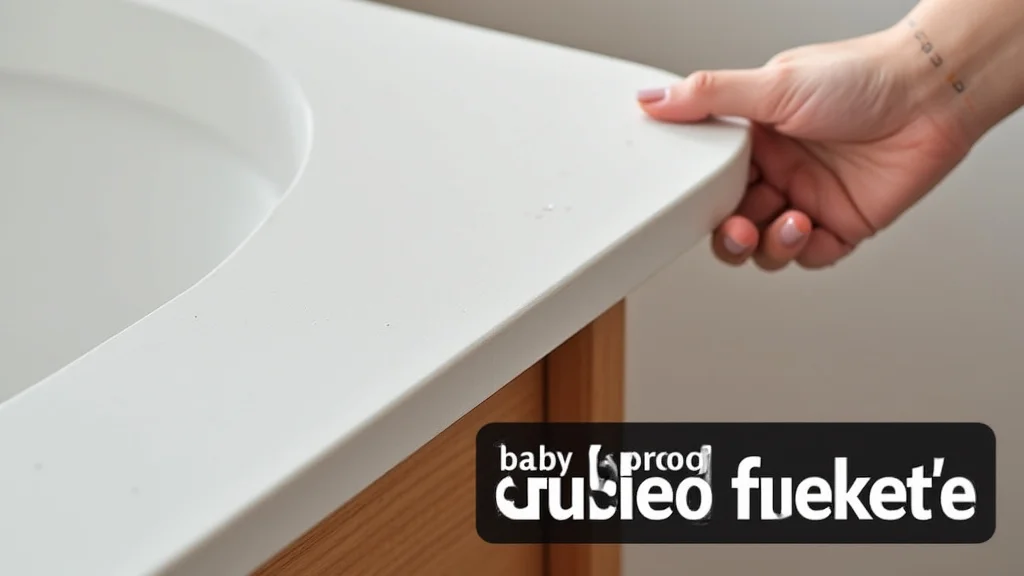
Sharp corners and edges are ubiquitous in kitchens, from countertops and tables to cabinets and appliances. Babies are often on the move, crawling or taking their first wobbly steps, and they can easily bump into these hard surfaces. Corner guards and edge bumpers are soft, padded materials that attach to these sharp areas.
They absorb impact, significantly reducing the risk of bumps, bruises, and more serious head injuries.
Consider a baby learning to walk. They will inevitably fall, and if they fall near a sharp table corner, the consequences could be painful. These protective covers are typically made of foam or soft rubber and come with adhesive backing for easy application.
They are particularly useful around kitchen islands, tables, and the edges of countertops. Their presence provides a safety net for those initial uncoordinated movements.
- Foam Edge Bumpers can be cut to size and applied along the edges of countertops or tables. They provide a soft landing if your baby bumps their head or body.
- Corner Protectors fit snugly over sharp right-angle corners. These are essential for tables, counters, and cabinet corners where a direct impact is likely.
- Clear Plastic Protectors offer a more discreet option for some areas. They are less visible than foam but still provide a degree of protection.
Managing Specific Kitchen Hazards
Beyond general safety tools, certain areas and items in the kitchen require specific attention. This involves looking at how you store things, how you use appliances, and even the placement of everyday items. A proactive approach to identifying and mitigating these specific risks can make a significant difference in keeping your child safe.
It’s about thinking like a curious toddler and anticipating their next move.
Stove and Oven Safety
The stove and oven are two of the most dangerous appliances in the kitchen for young children. The heat, open flames, and hot surfaces pose severe burn risks. It is essential to ensure that children cannot access the burners or the oven controls.
Even when not in use, residual heat can be a danger. Always turn pot handles inward to prevent them from being easily knocked off the stove by a curious hand.
A common scenario is a parent cooking dinner, and the baby is playing nearby. If the baby reaches out and grabs a pot handle, the entire pot could fall onto them. This is why keeping children out of the immediate cooking area is vital.
When using the oven, ensure any safety locks are engaged. Some parents also opt for a stove guard, a barrier that fits over the burners, creating a physical separation between the child and the hot surface.
- Use Rear Burners Whenever Possible. If you have a stove with multiple burners, prioritize using those in the back. This puts them further away from a child’s reach.
- Turn Pot Handles Inward. Always position pot and pan handles so they are facing the back of the stove. This prevents them from being accidentally bumped or pulled down.
- Install a Stove Guard. This physical barrier goes over your stovetop, preventing access to the burners and hot pots while you are cooking.
Refrigerator and Freezer Safety
Refrigerators and freezers, while not immediately appearing dangerous, hold their own set of risks. Babies can pull themselves up on refrigerator doors, potentially causing the appliance to tip over. They can also access items stored inside that may be choking hazards or unhealthy.
Ensure that your refrigerator is stable and secured to the wall if there is any doubt about its stability. Child locks are also available for refrigerators.
Consider a toddler who is learning to stand. They might grab onto the refrigerator door handle to pull themselves up. If the appliance is not anchored, it could fall on them.
This is a serious risk. Similarly, keeping items like raw meats, small containers, or glass bottles out of reach inside the fridge is important. Childproofing the refrigerator doors can prevent access to these items.
- Anchor the Refrigerator. Use anti-tip straps to secure the refrigerator to the wall. This prevents it from tipping over if a child pulls on the door.
- Use Refrigerator Locks. If your refrigerator doesn’t have a built-in child lock, consider an external strap or magnetic lock. This stops babies from opening the door easily.
- Organize Contents Safely. Store hazardous items or small objects on higher shelves, out of reach even if the door is opened.
Dishwasher and Trash Can Safety
Dishwashers, when running, contain hot water and detergent, and their racks hold sharp utensils. A child opening a dishwasher mid-cycle can suffer severe burns or cuts. Similarly, trash cans, especially those containing food scraps or waste, can be a breeding ground for bacteria and may contain sharp objects or hazardous materials.
Secure both effectively.
A scenario might involve a busy parent forgetting to fully latch the dishwasher. A curious toddler might push it open, leading to a dangerous situation with hot water or knives. For trash cans, the risks are less immediate but still significant.
Babies might try to eat discarded food or ingest harmful substances. Ensure your trash can has a secure lid and is placed in a location that is difficult for a baby to access.
- Dishwasher Safety Locks. Use latches that keep the dishwasher door securely closed. Many modern dishwashers have built-in child lock features for the controls and the door.
- Secure Trash Cans. Opt for trash cans with locking lids or foot pedals that are too difficult for a baby to operate. Store them in a pantry or a separate utility area if possible.
- Keep Utensils Secure. Always place sharp utensils in the dishwasher with the handles pointing upwards or in a closed cutlery basket to minimize exposure.
Pantry and Storage Safety
Pantries and lower cabinets often store a variety of items that can be hazardous to babies, including cleaning supplies, canned goods, and small appliances. These areas need to be just as secure as any other part of the kitchen. Think about everything stored at a child’s height.
This includes not only cleaning products but also items like bags of flour, sugar, or even small kitchen gadgets that could be choking hazards.
A common mistake is assuming that non-toxic food items are safe for babies to play with. However, dry goods like flour or sugar can create a mess and be a choking hazard if ingested in large quantities. Small appliances with cords can also be a temptation.
Implementing cabinet latches and ensuring that all potentially harmful items are stored high up or in securely locked cabinets is key.
- Secure All Lower Cabinets and Drawers. Use appropriate latches for any cabinets or drawers that store potentially hazardous items.
- Store Cleaning Supplies Safely. Never keep cleaning supplies in lower cabinets. Store them on high shelves or in a locked closet away from the kitchen.
- Keep Small Appliances Out of Reach. Cords from toasters, blenders, or other small appliances can be a strangulation hazard. Store them securely.
Creating Safe Zones for Exploration
While the goal is to make the entire kitchen safe, it’s also beneficial to designate specific areas where your baby can explore without constant supervision. This allows them to develop their independence and curiosity in a controlled and safe manner. Think of it as a designated play area within the kitchen, or child-friendly spaces.
This might involve clearing out a lower cabinet and filling it with safe, baby-appropriate items like plastic bowls, wooden spoons, or soft toys. This gives them their own “kitchen” to play with, redirecting their interest from dangerous areas. It also teaches them that certain spaces are for play, while others are off-limits.
This approach fosters a sense of understanding about boundaries.
- Designate a “Play Cabinet”. Clear out one or two lower cabinets and stock them with safe kitchen-related toys.
- Use Baby Gates. If your kitchen is large or open, consider using baby gates to block off high-traffic areas or areas with more hazards.
- Provide Safe Kitchen Toys. Offer durable, non-toxic toys that mimic kitchen items, such as plastic food sets, stacking cups, or toy pots and pans.
Maintaining Kitchen Safety
Baby proofing is not a one-time task. As your child grows and develops new skills, their ability to bypass safety measures increases. Regular checks and adjustments are essential to ensure your kitchen remains a safe space.
What was once childproof might become a new challenge as they become more mobile and resourceful.
Make it a habit to walk through your kitchen from a baby’s perspective. Get down on your hands and knees to see what might be accessible. Test latches and locks regularly to ensure they are still functioning correctly.
As your child masters a new skill, like climbing or opening a new type of latch, it’s time to reassess and potentially upgrade your safety measures.
- Conduct Regular Safety Audits. Periodically check all safety devices to ensure they are secure and functioning correctly.
- Adapt as Your Child Grows. As your child’s mobility and cognitive abilities increase, you’ll need to update your baby proofing strategies.
- Educate Other Caregivers. Ensure anyone looking after your child understands and uses the safety measures you have in place.
Common Myths Debunked
Myth 1 Baby proofing is expensive and time-consuming.
While there are many products available, you can start with simple, low-cost solutions like securing cabinets with basic latches or creatively using household items. Many essential baby proofing tasks require more common sense and attention to detail than significant financial investment. Regular checks are more about habit than extended effort.
Myth 2 Once baby proofed, the kitchen is completely safe.
No home can be made 100% risk-free. Baby proofing significantly reduces hazards but does not eliminate them entirely. Active supervision is always the most critical element of child safety.
Safety devices are a layer of protection, not a substitute for attentive parenting.
Myth 3 My baby is too young to get into trouble in the kitchen.
Babies develop rapidly. Even very young infants can reach and grab objects, and toddlers can quickly become mobile and curious explorers. It’s best to implement safety measures before your baby becomes mobile, rather than reacting to an incident.
Proactive safety is always more effective.
Myth 4 Baby proofing makes a home look unattractive.
Many modern baby proofing products are designed to be discreet and blend in with home decor. Clear plastic corner guards, sleek magnetic latches, and camouflaged cabinet locks can provide safety without compromising your kitchen’s aesthetic appeal. Functionality can coexist with style.
Frequently Asked Questions
Question: How often should I check my baby proofing devices?
Answer: It is recommended to check your baby proofing devices at least once a month to ensure they are still secure and functional. You should also check them anytime your child seems to be trying to bypass them.
Question: Are baby proofing devices effective against older toddlers?
Answer: Effectiveness can vary. While basic latches and locks work well for younger toddlers, older, more resourceful toddlers might find ways around them. It is important to adapt your safety measures as your child grows.
Question: What is the most common kitchen hazard for babies?
Answer: Common hazards include sharp objects, cleaning supplies, hot surfaces, and small items that can be choking hazards. Access to cabinets containing these items is a frequent concern.
Question: Can I use everyday items to baby proof my kitchen?
Answer: For temporary solutions or minor adjustments, some everyday items might work, but it is generally safer and more reliable to use products specifically designed for baby proofing. Commercial products have undergone safety testing.
Question: What should I do if my baby ingests something they shouldn’t have?
Answer: If you suspect your baby has ingested something harmful, call your local poison control center or emergency medical services immediately. Have the product packaging or a sample of what they ingested ready if possible.
Conclusion
Creating a safe kitchen environment for your baby is achievable. By focusing on key areas, using appropriate safety devices, and conducting regular checks, you can significantly reduce risks. Prioritize securing cabinets, appliances, and sharp edges.
Designating safe exploration zones also helps. With consistent effort, your kitchen can be a place where your child can safely explore and learn.