As a parent, keeping your little one safe is your top priority. You’ve baby-proofed the cabinets, secured the furniture, and child-proofed the doors. But what about those tempting, accessible electrical outlets? A curious toddler’s fingers are drawn to them like magnets. This is where baby proofing outlet covers come in. In this guide, we’ll explore everything you need to know to select and use these essential safety tools, ensuring your home is a secure haven for your child.
Key Takeaways
- Different types of outlet covers exist for various needs and outlet styles.
- Proper installation is crucial for effective safety and preventing removal.
- Outlet covers offer a simple and affordable way to prevent electrical hazards.
- Regular checks ensure covers remain secure and undamaged.
- Choosing the right covers protects children from serious electrical injury.
Why Baby Proofing Outlet Covers Are Essential
Keeping young children safe from household dangers is a constant focus for parents. Electrical outlets, while a necessity in modern homes, pose a significant risk to curious toddlers. Their natural inclination to explore with their hands and mouths can lead them to insert objects into these openings, risking electric shock. This danger is not theoretical; electrical injuries are a common cause of accidental harm to children. Baby proofing outlet covers serve as a vital barrier, preventing access to the electrical current within.
These simple devices are designed to be tamper-resistant, making it difficult for small children to remove them. They are an affordable and straightforward solution that every parent should consider. Investing a small amount in outlet covers can prevent a potentially devastating accident. The peace of mind that comes from knowing your home is a safer place for your child is invaluable.
Understanding Electrical Hazards for Young Children
Electricity is a powerful force, and children, with their developing understanding of the world, are unaware of its dangers. A typical household outlet carries enough voltage to cause severe burns, muscle contractions, and even cardiac arrest. Children are particularly vulnerable because their bodies are smaller, and their skin is more sensitive. They may not understand that outlets are not toys or simply holes to be poked.
The consequences of an electrical shock can range from minor burns on the fingers or mouth to life-threatening injuries. The electrical current can travel through the body, causing damage to internal organs. It can also lead to falls and other secondary injuries if the child is startled or loses consciousness. Therefore, proactive measures to prevent access are critical.
Common Scenarios of Outlet-Related Dangers
Imagine a scenario where a toddler is playing unsupervised for just a few moments. They might spot an outlet and, out of pure curiosity, attempt to push a toy car or a finger into it. Another common situation involves a child who has observed an adult plugging something in and tries to imitate the action with a foreign object. These are not rare occurrences; they happen in homes every day.
Consider a case where a child pulled a lamp cord, causing the lamp to fall. As they reached to pick it up, their hand brushed against the exposed prongs of the outlet. This resulted in a painful shock and minor burns. Without immediate intervention, the outcome could have been far worse.
- Children often explore with their mouths and hands, making exposed outlets a prime target.
- Imitation of adult actions can lead children to interact with outlets without realizing the risk.
- Unplugged cords can be a tripping hazard, and proximity to outlets increases the danger.
- Even seemingly harmless objects can conduct electricity if inserted into an outlet.
The use of baby proofing outlet covers directly addresses these risks by physically blocking access. They create a protective layer that significantly reduces the likelihood of accidental contact. This simple safety measure is a cornerstone of creating a child-friendly environment.
Types of Baby Proofing Outlet Covers
When you start looking for outlet covers, you’ll notice there are several types available. Each has its own features and is designed for different situations. Understanding these options helps you choose the best fit for your home and your child’s safety needs. The primary goal of all outlet covers is to prevent children from accessing the electrical openings.
Standard Outlet Covers
These are the most common and simplest type of outlet cover. They are typically made of plastic and are designed to fit over standard duplex outlets. They cover the entire outlet faceplate, leaving no openings.
- Ease of Use: They are usually straightforward to install and remove, making them convenient for adults but difficult for children.
- Full Coverage: They cover all holes on the outlet, providing complete protection against curious fingers.
- Affordability: These are generally the most budget-friendly option.
A common design is the single-piece plug-in cover. You simply push it firmly into the outlet slots. For removal, you need a bit more force and a specific technique, which toddlers lack. Some may require a key or a tool for removal, adding an extra layer of security.
Outlet Safety Plugs
Outlet safety plugs are smaller than full faceplate covers. They are individual plastic pieces that you insert directly into each socket hole of the outlet.
- Portability: They are easy to carry and can be used for travel, making it simpler to child-proof different locations.
- Discrete Design: They are less noticeable than larger covers.
- Requires Force to Remove: Similar to standard covers, they are designed to be difficult for children to pull out.
These are a popular choice because they are inexpensive and readily available. Many parents buy them in bulk to cover every outlet in their home. The key is ensuring they fit snugly and are genuinely hard for little hands to grip and remove.
Sliding Outlet Covers
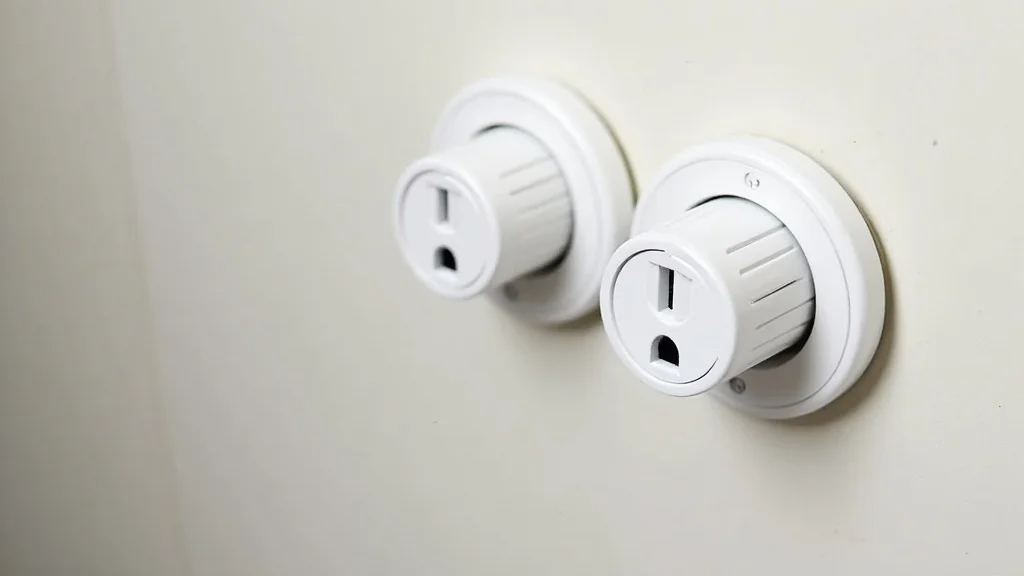
Sliding outlet covers are built into the outlet plate itself. When not in use, the plastic cover slides over the socket holes. When you need to use the outlet, you simply slide the cover open.
- Permanent Solution: These replace your existing outlet plates, offering a more integrated and permanent safety feature.
- Convenience for Adults: They remain attached, so there’s no need to store or misplace separate covers.
- Child-Resistant Mechanism: The sliding action requires a specific motion that children typically cannot replicate.
Installation involves replacing the entire outlet plate, which is a slightly more involved process than just plugging in a cover. However, once installed, they offer a continuous and unobtrusive form of protection.
Box Outlet Covers
Box outlet covers are larger, enclosing the entire outlet and plug combination. These are particularly useful for situations where cords are often plugged in, such as entertainment centers or charging stations.
- Secures Plugs and Cords: They prevent children from pulling plugs out or playing with cords.
- High Security: The enclosed design offers a robust barrier against tampering.
- Ideal for High-Traffic Areas: They are great for areas where cords are constantly in use.
These boxes often have latches or locking mechanisms that adults can operate, but are too complex for young children. They provide a comprehensive solution for managing multiple cords and outlets in one area.
Installation and Best Practices for Outlet Covers
Proper installation is not just about fitting the cover; it’s about ensuring it stays put and does its job effectively. Even the best baby proofing outlet covers can be rendered useless if not installed correctly. It’s also important to adopt good habits to maintain their safety effectiveness.
Ensuring a Secure Fit
For plug-in style covers and safety plugs, the key is a snug fit. If a cover can be easily wiggled or pulled out, it doesn’t offer much protection. Test each cover after installation by gently trying to pull it out. If it comes loose easily, try a different brand or type of cover.
When installing sliding covers or box covers, follow the manufacturer’s instructions carefully. For sliding covers, ensure the screws are tightened appropriately without over-tightening, which could crack the plastic. For box covers, make sure any latches or locks are functioning correctly and are easy for adults to operate.
- Test each cover by gently pulling on it to ensure it’s securely in place.
- For plug-in types, a firm push is usually required for a secure fit.
- If you have multiple types of outlets (e.g., GFCI), ensure the covers are compatible.
- For sliding covers, ensure they move smoothly but also close securely.
Some outlets have a slightly different configuration. It’s important to buy covers that are specifically designed for standard US outlets if that’s what you have. Different countries have different outlet standards.
Regular Inspection and Replacement
Children are persistent. They may try to remove covers repeatedly. This can loosen them over time. It’s a good practice to check your outlet covers regularly.
* Weekly Checks: Make it a habit to quickly check all installed outlet covers each week. A quick tug can reveal if any have become loose.
* Damage Assessment: Inspect covers for any signs of wear and tear, cracks, or damage. If a cover is damaged, it should be replaced immediately.
* Growth in Capability: As children grow, their problem-solving skills improve. You might find that a cover that was once effective becomes easier for them to remove. This is a signal to upgrade to a more secure type of cover.
Consider the developmental stage of your child. If they are beginning to show interest in outlets or have managed to remove a cover, it’s time for a stronger solution. The goal is always to stay one step ahead of their curiosity and growing abilities.
When to Use Which Type of Cover
* Standard Outlet Covers and Safety Plugs are excellent for general use throughout the house, especially in areas where outlets are not frequently used. They are also great for rental properties where you might not want to make permanent changes.
* Sliding Outlet Covers are a good option for permanent installation in areas you use regularly, like the living room or kitchen, where you need to plug and unplug devices often.
* Box Outlet Covers are ideal for areas with a lot of electronic devices, such as a home office, entertainment center, or near a child’s charging station for toys. They provide maximum security for plugged-in cords and devices.
The most effective strategy often involves using a combination of these types to suit different areas and needs within your home.
Choosing the Right Baby Proofing Outlet Covers
Selecting the right baby proofing outlet covers involves considering several factors beyond just the type. The material, design, and even how it blends with your home décor can play a role. Your primary concern is safety, but practicality and aesthetics are also important for long-term use.
Material and Durability
Most outlet covers are made from plastic. However, the quality of this plastic can vary significantly. High-quality plastic will be more durable and less likely to crack or break, even under repeated attempts by a child to remove it.
* ABS Plastic: This is a common and durable plastic used in many safety products. It’s tough and can withstand a good amount of force.
* BPA-Free Materials: Ensure the covers are made from BPA-free materials, especially if your child is prone to mouthing objects. This ensures there are no harmful chemicals.
Look for covers that are designed to be impact-resistant. This means they won’t shatter easily if a child drops them or tries to pry them off with a toy. The thicker and more robust the plastic, the better.
Ease of Removal for Adults
While you want the covers to be difficult for children to remove, they should be relatively easy for adults to take off when needed. This is crucial for daily use, like vacuuming or plugging in a phone charger.
* Smooth Operation: For sliding covers, ensure the mechanism is smooth. For plug-in covers, there should be a specific technique or grip required that children lack.
* No Special Tools Required (Usually): Most standard and safety plug covers don’t require special tools. This is a benefit for busy parents. Some box covers might have a simple latch.
If a cover is too difficult for you to remove quickly, it could become a point of frustration and might lead to it being left off more often, reducing its effectiveness.
Color and Design Considerations
Outlet covers come in various colors, most commonly white, to blend in with standard outlet plates. However, you might find them in clear plastic or even colors that match your wall paint.
* Camouflage: Clear or white covers are often preferred because they are less conspicuous. They don’t draw extra attention to the outlets.
* Visibility (Optional): Some parents opt for brightly colored covers. This can serve as a visual reminder for the child that these are not toys, although it might also attract their attention.
Consider your home’s aesthetic. While safety is paramount, you also want the covers to be as unobtrusive as possible. Most parents choose covers that match their existing outlet plates for a cleaner look.
Child-Resistant Features Explained
The “child-resistant” nature of these covers isn’t just a marketing term. It refers to specific design elements intended to thwart a child’s attempts at removal.
* Tight Fit: For safety plugs, the plug is designed to be slightly larger than the socket opening, requiring a firm, even pressure to insert and a specific grip or wiggling motion to remove.
* Recessed Grips: Some covers have smooth outer surfaces that make it hard for small hands to get a grip.
* Internal Locking Mechanisms: More advanced covers might have internal mechanisms that only disengage with a specific adult-level dexterity or pressure.
* Two-Handed Operation: Many effective covers require two hands and a coordinated effort to remove, something a young child cannot achieve.
It’s important to understand that “child-resistant” does not mean “child-proof.” No system is entirely foolproof against determined children. However, these features significantly increase the barrier to access.
A study published in the journal Pediatrics highlighted that while outlet covers are effective, their consistent use is key. Researchers observed that parents sometimes forgot to replace covers after using an outlet. This underscores the importance of choosing covers that are convenient for adults to use and replace.
When to Transition Away from Outlet Covers
As your child grows, their cognitive abilities and understanding of dangers develop. There comes a point when constant outlet covers are no longer necessary. However, knowing when to make the switch is important to avoid complacency.
Assessing Your Child’s Development
The primary indicator for removing outlet covers is your child’s demonstrated understanding of electrical safety. This is typically observed when they are older, often around ages 4-5.
* Verbal Understanding: Can your child verbally understand and recall that outlets are dangerous and should not be touched?
* Consistent Respect for Rules: Do they consistently respect your instructions about not touching outlets, even when unsupervised for short periods?
* Lack of Curiosity: Have they lost interest in outlets altogether, showing no signs of trying to interact with them?
It’s not just about age, but about maturity and demonstrated behavior. Some children develop this understanding earlier than others.
Introducing Electrical Safety Education
Before removing all outlet covers, it’s wise to start an educational process. Explain to your child in simple terms why outlets are dangerous.
* Use Simple Language: “This is electricity. It can hurt you. It is not a toy.”
* Explain the Consequences: “If you touch it, you could get a big owie, and we don’t want that.”
* Show, Don’t Do: You can point to an outlet (with a cover on) and explain its function without demonstrating plugging and unplugging.
This education should be ongoing. Even as you remove covers, you can continue to remind them.
Gradual Removal Strategy
A common and effective approach is to remove covers gradually.
1. Start in Low-Traffic Areas: Begin by removing covers from outlets that are rarely used and out of reach of your child’s main play areas.
2. Observe Behavior: Closely monitor your child’s reaction. Do they pay attention to the now-exposed outlets? Do they show any inclination to touch them?
3. Expand Gradually: If they consistently ignore the exposed outlets and respect your safety rules, you can begin removing covers from more frequently used areas.
4. Maintain a Backup: Keep some outlet covers handy. If your child shows renewed interest or starts experimenting again, be prepared to re-install them.
This phased approach allows you to gauge your child’s readiness and reinforce safety lessons without exposing them to unnecessary risks.
Common Myths Debunked
Many parents have questions and sometimes misconceptions about using baby proofing outlet covers. Addressing these can help ensure you’re using them effectively and appropriately.
Myth 1: All Outlet Covers Are The Same
Reality: This is not true. As we’ve discussed, outlet covers come in various forms, including plug-in safety plugs, full faceplate covers, sliding covers, and box covers. Each type offers different levels of security and convenience.
For example, a simple safety plug might be easy for a determined child to eventually pull out, while a box cover offers much more robust protection for plugged-in cords.
Myth 2: Once A Child Understands Danger, Covers Are Unnecessary
Reality: While understanding danger is a significant step, children’s impulse control is still developing. Even older children can have moments of distraction or forgetfulness. It’s better to transition away from covers gradually and only when you are confident in their consistent understanding and respect for safety rules.
A sudden removal without reinforcement can be risky.
Myth 3: Outlet Covers Are Difficult For Adults To Use
Reality: While some highly secure covers might require a specific technique, most modern baby proofing outlet covers are designed for ease of adult use. Manufacturers aim for a balance between child resistance and adult convenience. If you find a cover too difficult, it might be the wrong type for your needs, or you might need to explore alternatives.
Myth 4: Outlet Covers Are A One-Time Purchase
Reality: As children grow, their abilities change. What was once a secure outlet cover might become easy to remove for a slightly older child. It’s important to periodically assess the effectiveness of your chosen outlet covers and be prepared to upgrade to more robust solutions if your child shows new capabilities in attempting to bypass them.
Frequently Asked Questions
Question: How do I know if my outlet covers are secure enough?
Answer: Test each cover by trying to wiggle it or pull it out. If it comes loose easily, it’s not secure. Also, observe your child.
If they have managed to remove a cover, it’s not secure enough for them.
Question: Can I use regular plastic plugs to cover outlets?
Answer: Standard plastic plugs are not designed for safety and can be a choking hazard. Always use covers specifically designed as baby proofing outlet covers, made from safe materials and with child-resistant features.
Question: What if my child mouths the outlet covers?
Answer: Ensure you are using covers made from BPA-free, non-toxic materials. Regularly inspect them for any damage or pieces that could break off and become a choking hazard.
Question: Do I need covers for every single outlet in my house?
Answer: It is highly recommended to cover all accessible outlets, especially those at child height. Prioritize areas where your child spends the most time. Outlets in higher locations or those rarely used might be considered lower priority, but it’s best to cover them all.
Question: My child is almost 3, do I still need outlet covers?
Answer: It depends on your child’s individual development and your confidence in their understanding of safety rules. Many children still require outlet covers until they are 4 or 5 years old. Observe their behavior and consider a gradual removal process.
Conclusion
Ensuring your home is safe for your little explorer is an ongoing process. Baby proofing outlet covers are a simple yet effective tool in preventing electrical hazards. By understanding the different types available and practicing proper installation and regular checks, you create a crucial barrier between your child and potential danger. Choose covers that fit securely, are easy for you to use, and remain a challenge for your child. As they grow, you can assess their readiness to transition away, always prioritizing their safety.