Last updated: October 21, 2026
Quick Answer: start with the 5 highest-risk fixes—anchor furniture, block stairs, lock poisons, manage cords, and remove small-object hazards—before you buy decorative extras. This guide to Babyproofing essentials and room-by-room safety — The Complete Guide focuses on those first steps, because a home can feel “mostly safe” and still have one hazard that causes a serious injury.
Babyproofing is not about turning a home into a padded bunker; it is about removing the hazards a crawling baby can reach before curiosity outruns judgment. The biggest mistake is starting with gadgets instead of a plan. The right sequence is: anchor heavy furniture, block falls, cover electrical access, lock dangerous storage, then move room by room.
Key takeaways
- Start with the biggest hazards first: falls, tip-overs, burns, poisons, and strangulation risks.
- A single baby gate is not enough; doors, stairs, and room layouts decide which gate style fits.
- Anchoring furniture matters more than buying decorative add-ons. A dresser that tips can injure a child even when it looks stable.
- The kitchen and bathroom usually need the most work because they combine sharp objects, heat, chemicals, and standing water.
- Babyproofing changes as mobility changes. A newborn, a crawler, and a toddler do not need the same setup.
- A home can be “safe enough” without being sealed shut; some devices create new hazards if installed poorly.
I write on child safety and home-risk prevention, so I focus on the hazards that actually change outcomes: falls, entrapment, poisoning, burns, and tip-over injury. For product-specific decisions, the rule is the same: choose hardware that fits your rooms, not the flashiest listing. For broader home-safety guidance, the U.S. Consumer Product Safety Commission and the American Academy of Pediatrics are useful starting points: CPSC home safety guidance and HealthyChildren.org childproofing advice.
What babyproofing really means before the crawling starts
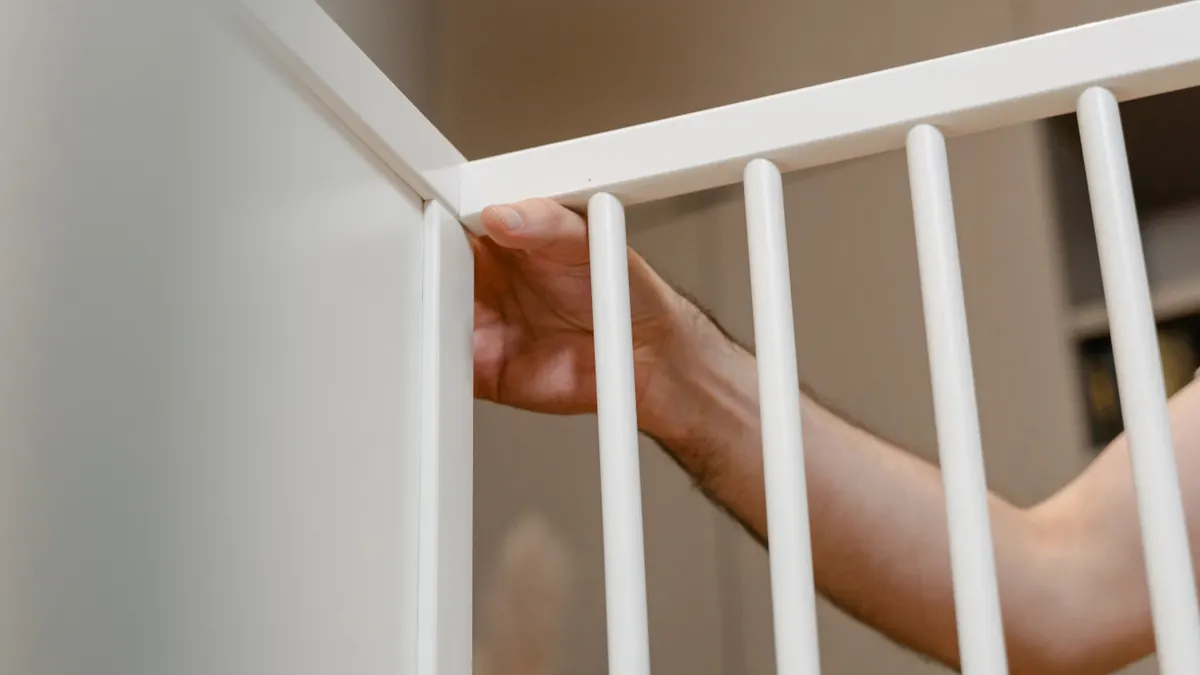
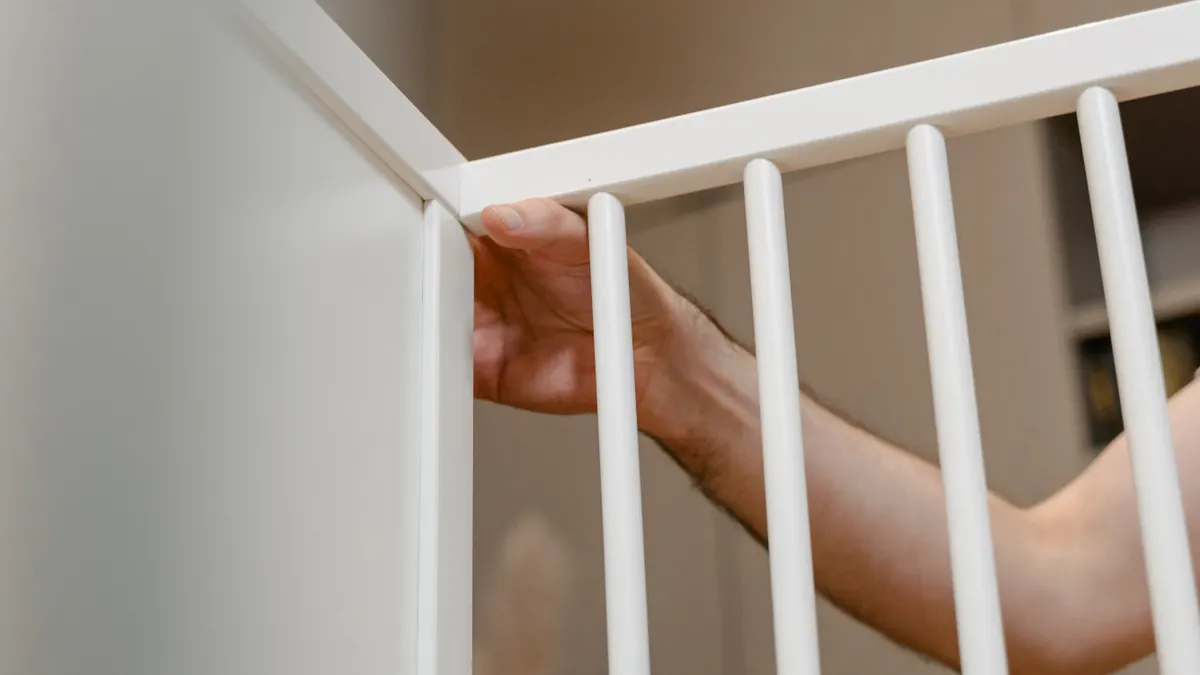
Babyproofing means changing the home so a child’s reach, pull, grip, and mouth do not turn ordinary household items into hazards. That starts before the first crawl, because once a baby moves, the window for “we’ll do it later” closes fast.
The most useful way to think about it is by injury type, not by room decoration. The Consumer Product Safety Commission’s guidance on home hazards, along with the American Academy of Pediatrics’ childproofing advice, points to the same core risks: falls from stairs or furniture, burns from hot surfaces and liquids, poisoning from medicines and cleaners, choking on small objects, and strangulation from cords, blind loops, and unsecured furniture. The U.S. CPSC and AAP both publish practical home-safety advice; those are the right places to verify details and update habits as the child grows.
The order matters. If you have a limited budget, spend first on:
- Anchoring tall furniture and TVs.
- Installing gates where a fall would be serious.
- Locking cleaners, medicines, sharp tools, and knives.
- Covering outlets and managing cords.
- Reducing access to small objects, hot surfaces, and standing water.
That order is not theoretical. A drawer latch is not a substitute for a wall anchor. An outlet cover is not a substitute for moving the corded lamp. A soft rug is not a substitute for a gate at the top of the stairs.
A common mistake is treating babyproofing as a one-time weekend project. Mobility changes the rules, so it helps to review the setup with a child-safety professional or pediatrician if you are unsure what matters most in your home. A baby who only rolls needs less than a baby who can crawl to a shelf and pull to standing. By the time cruising starts, the home needs a second pass from floor level up to about 3 feet, because that is the zone where hands land first.
What should I babyproof first?
Anchor furniture, block stairs, and secure poisons first, because those are the hazards that can cause serious harm fastest. If a parent has only one afternoon, that is the shortlist that matters, and a child-safety professional can help if the layout is unusual.
Start with furniture and TVs. Dressers, bookcases, changing tables, and entertainment centers need anti-tip straps attached to wall studs or another approved anchoring point. This is not optional for tall or top-heavy pieces. A child pulling on a drawer uses the drawer like a ladder. That is how tip-overs happen. The hazard is not limited to big furniture; a chest of drawers with a top drawer open can become unstable faster than it looks.
Next come stairs. A gate at the top of the stairs is a must. The top landing is a fall hazard, so use a gate that mounts to the wall with hardware rather than a pressure-mounted gate there. Pressure-mounted gates are better for doorways or the bottom of stairs when they are used correctly, but they are not the right choice for the top of a stair run because a child can push a pressure gate loose. This is one place where “easy to install” is the wrong priority.
Then secure dangerous storage. Medicines should be locked, not just placed higher, and a pediatrician or poison-control resource can help if you are deciding what needs locking first. Cleaning supplies, laundry pods, dishwasher tablets, matches, batteries, and sharp tools all belong behind a latch or in a locked cabinet. The distinction matters because many children can climb a stool or pull open a low cabinet long before adults expect it.
After that, handle electrical and cord hazards. Outlet covers help, but the real improvement comes from eliminating dangling cords, hiding power strips, and keeping chargers out of reach. A baby cannot be expected to recognize the difference between a lamp cord and something interesting to mouth.
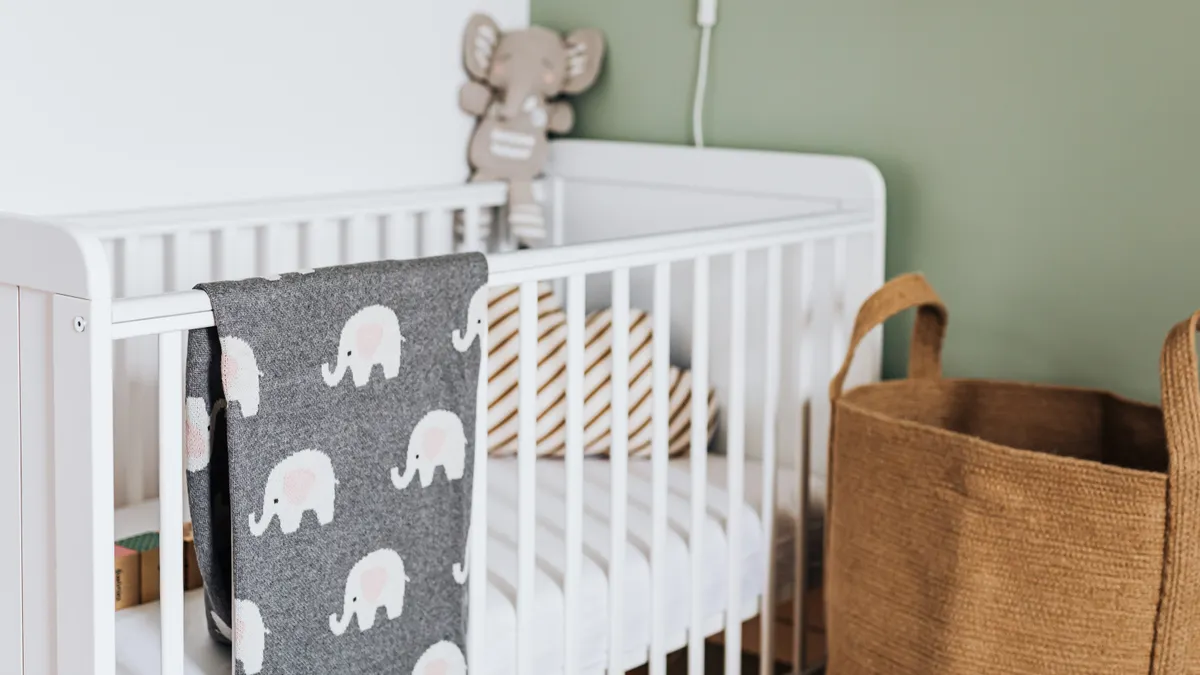
If you are trying to decide where to start in a nursery, begin with the changing area, crib zone, and any furniture within arm’s reach of the crib. Keep the crib itself bare: no pillows, loose blankets, bumpers, or stuffed toys. Safe sleep guidance from pediatric authorities is stricter than many nursery style guides, and for good reason.
Which safety products are worth buying, and which are not?
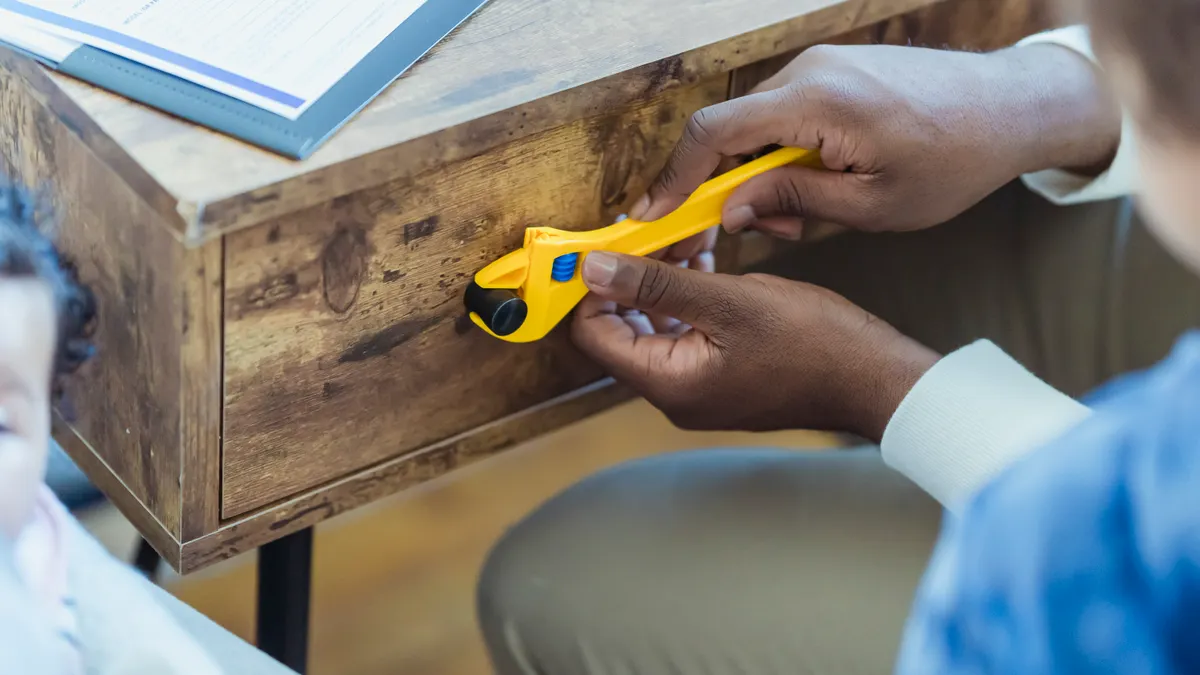
The best babyproofing products are usually the ones that solve a specific hazard cleanly; the worst are the ones that look clever but depend on perfect use every day. Hardware-mounted gates, furniture anchors, cabinet locks, and cord management are worth it. Decorative extras and flimsy stick-on fixes are often not.
Here is the honest split.
Worth buying
- Hardware-mounted gates for the top of stairs and other high-risk openings. They resist movement better than pressure gates and are the safer choice where a fall is possible.
- Wall anchors and anti-tip straps for dressers, bookcases, and TVs. These address a serious risk with a simple fix.
- Cabinet and drawer locks for cleaners, knives, medicines, and breakables. Magnetic models are useful when you want a clean look, while external latches can be easier to retrofit.
- Appliance knob covers and stove guards if a child can reach the cooking surface. A stove that can be turned on by an older toddler is a genuine hazard.
- Cord shorteners or clips for blinds, chargers, and lamps, especially near play areas.
Less useful or overhyped
- Outlet caps that are not replaced consistently. They can be removed and lost, and some adults stop using them after the first few weeks. Sliding outlet covers built into the outlet or tamper-resistant receptacles are generally more reliable where available.
- Babyproofing kits with 40 parts you will not install. A drawer full of unused latches does not make a home safer.
- Soft corner bumpers everywhere. They are useful in specific places, but they do not address the main injury risks in most homes. Falls from stairs and tip-overs matter more than table corners.
- Cheap gates with unclear mounting instructions. A gate that sags, unlatches poorly, or does not fit the opening is not a bargain.
The best products also fit the room, so a narrow hallway opening, a banister with odd spacing, and a wide kitchen doorway all call for different hardware. That is why the “best” choice in babyproofing is usually the one that installs securely and matches the opening, even if it is less attractive than the all-in-one kit.
One more practical point: do not buy in bulk before you measure. Gates and cabinet locks fail most often when the opening, wall surface, or cabinet style does not match the product. Measure the width, the trim depth, the swing direction, and the mounting surface first.
Room-by-room: where the real hazards hide
The kitchen, bathroom, stairs, and living room are the places where babyproofing earns its keep. Bedrooms and laundry rooms matter too, but the hazard profile is different in each room, so the setup should change with it.
Kitchen
The kitchen is the highest-density hazard zone in most homes. Knives, hot pans, cleaners, trash, small objects, appliance cords, and stove controls all compete for the same few square feet.
Start with lower cabinets. Install locks on any cabinet that holds knives, cleaners, glass, plastic bags, or trash bags. A child who can open a cabinet can also reach a sharp peeler or a bottle of detergent. Store dish soap, dishwasher pods, and laundry chemicals in locked locations. Pods are especially important because their bright colors attract children.
Stove safety comes next. Use back burners when possible, turn pot handles inward, and keep hot drinks away from edges. If the child can reach stove knobs, use knob covers or removeable control covers. A stove guard can help if the model fits your appliance, but it should not be treated as a substitute for supervision.
Keep countertops clear of cords, cutting boards with knives on them, and heavy appliances that can be pulled down. A blender with a dangling cord is an invitation to tug. So is a tablecloth with a loose corner. If your kitchen has a trash can on the floor, a locking lid or cabinet enclosure is worth the trouble.
Bathroom
The bathroom’s biggest risks are water, medicine, and burns. A few inches of water in a tub or bucket can be enough to create danger, which is why water access deserves the same attention as sharp objects.
Lock cabinets that contain medicine, razors, lotions, alcohol-based products, and cleaning agents. Many bathrooms also store vitamins, which can look like candy. Keep them locked rather than simply up high.
Install a faucet temperature regulator or scald guard if your water can get dangerously hot. A child’s skin burns faster than an adult’s. Set the water heater to a safe temperature consistent with local guidance and household needs, then verify that bath water is warm, not hot. A thermometer for bath water is cheap compared with the consequences of guessing.
Close toilet lids and consider a toilet lock if a child is fascinated by water. Remove standing water from buckets, bath toys, and bath mats after use. Never leave a child alone in the bath, even for a moment to grab a towel. That is one of the few rules that does not allow improvisation.
Nursery and bedroom
The nursery should be simple, not stuffed. The crib matters more than the décor. Use a firm mattress that fits the crib exactly, with no loose gap around the edges. Keep blankets, pillows, bumper pads, positioners, and stuffed toys out of the crib. That follows safe sleep guidance from pediatric organizations, and it is one of the clearest places where tradition and safety do not line up.
Anchor the dresser and any bookshelf, even if it feels stable. Use drawers only as storage, never as a step. Keep the changing table stocked but uncluttered so you do not leave a child unattended to search for wipes. Place diaper cream, lotion, and medicine out of reach.
Watch the curtains and blinds. Corded window coverings create a strangulation risk. Cordless options or properly secured cords are better. If the crib sits near a window, move it away from dangling cords, curtain pulls, and blind loops.
Living room
The living room usually combines three problems: furniture, cords, and small objects. It looks harmless until a baby starts traveling.
Anchor TVs and media furniture. A flat-screen mounted on a wall or strapped to furniture is far safer than one balanced on a narrow stand. Keep remotes, batteries, coins, magnets, and small decorative items off low tables. Button batteries deserve special caution because swallowing one can cause severe injury quickly.
Cover sharp fireplace edges and keep the hearth inaccessible when possible. Use a barrier for a working fireplace, and keep remote controls, lighters, and matches locked away. If you have a coffee table with glass or sharp corners, move it if the layout allows. Corner guards can help, but they are not the main fix.
Cords from lamps, charging stations, and media devices should be shortened or secured. If a baby can pull a cord, the device attached to it can fall.
Stairs and hallways
Stairs are a fall problem, not a decorating problem. Use a hardware-mounted gate at the top and a secure gate at the bottom if needed. Keep the stairs clear of toys, laundry, and shoes, because a cluttered stairwell creates tripping hazards for adults and children alike.
Hallways often get ignored, but they matter if they connect bedrooms, kitchens, and bathrooms. Check for wall heaters, exposed outlets, floor lamps, and loose rugs. A hallway is where a crawling child picks up speed.
Laundry room, garage, and utility spaces
These rooms are where people store the things they do not want to think about: detergents, tools, batteries, pesticides, fuel, and cleaning products.
Lock the room if possible. If not, lock the cabinets. Keep front-loading washer and dryer doors closed and prevent access to the controls if a child is tall enough to reach them. Laundry pods and dryer sheets should be out of reach, not just out of sight.
Garages are especially dangerous because of tools, car fluids, and seasonal items. If a garage is attached to the house, treat it like a chemical storage zone. That means locked cabinets, no loose batteries, and no accessible cords or cords from power tools.
How do I babyproof stairs, windows, and furniture without making the house annoying to live in?
Use hardware where the risk is high and removable fixes where the risk is moderate, because the goal is safety without turning every doorway into a project. A house that is difficult to use tends to get “temporarily” unbabyproofed, which is worse than a simpler plan.
For stairs, hardware-mounted gates are worth the drilling. They are more stable and more likely to stay where they belong. For doorways that do not open onto a fall hazard, pressure-mounted gates can be acceptable if they fit the space, close reliably, and are used exactly as directed. If a gate leaves a gap, wobbles, or can be opened by a child, it is the wrong gate.
For windows, the safest move is to prevent easy opening and block climbing access. Keep furniture away from windows so a child cannot use a bed or chair as a launch point. Window guards, stops, or limiters can help, but they need to be chosen carefully so they do not create an entrapment problem. Screens are not safety devices; they are insect barriers.
For furniture, anchor the biggest pieces and then simplify the layout. A low, stable storage piece is less dangerous than a tall narrow one. Put the heaviest items on lower shelves. Do not rely on anti-slip pads alone for a bookcase or dresser. Those pads can help with small shifts, but they are not a substitute for anchoring.
A practical compromise for living areas is to protect only the zones the child reaches every day: the play corner, the media unit, the bookshelf, and the route to the kitchen. You do not need to turn every wall into a padded wall. You do need to make the child’s favorite path boring and safe.
Where do parents overdo it, and where do they underdo it?
Parents often overdo corners and underdo poisoning, because corner guards feel visible and cabinet latches feel tedious. That instinct is backwards.
The most common overkill is covering every sharp edge in the house before securing stairs, furniture, and medicines. A toddler rarely ends up in serious trouble because of a coffee table corner alone. A child is more likely to be hurt by a tipped dresser, an open stairway, a reachable cleaner, or an accessible battery.
Another overdone area is buying a giant babyproofing kit and installing only the visible pieces. The drawer latches and outlet plugs go in; the hidden risks stay. If the money is already spent, that is still not enough.
The most common underdo is storage discipline. A locked cabinet is only as good as what goes into it. Medications left on a counter, purses on the floor, and cleaning spray under the sink with a weak latch all defeat the purpose. Another underdo is daily reset. A safe room at 8 a.m. can become unsafe by noon if a laptop charger, a scissors case, and a bottle of hand sanitizer are left within reach.
A second underdo is window and cord safety. Blind cords and dangling charger cords are easy to forget because they do not look dramatic. They matter anyway.
If there is one habit that improves almost every room, it is lowering your eye line. Get down near floor level and look for anything a baby can pull, swallow, climb, or press. That perspective catches the things adults miss.
The honest verdict: what to buy, what to skip, and what matters most
Choose hardware-mounted gates, furniture anchors, cabinet locks, and room-specific cord management if you are babyproofing a home with stairs, furniture, and reachable storage. Choose simpler pressure gates only for non-fall openings, and only if the fit is exact. Neither approach is enough if you leave medicines, cleaners, or furniture tip-overs unaddressed.
Choose the more expensive-looking option only when it solves a specific problem: a wide stair opening, an unusual banister, a glass TV stand, or cabinets that do not accept basic latches. Skip decorative add-ons, oversized babyproofing bundles, and anything that looks good in photos but is awkward to use every day.
The right babyproofing setup is the one that matches your actual rooms. If you have stairs, prioritize gates and anchors. If you have a tiny bathroom, prioritize lockable storage and water safety. If you have a busy kitchen, prioritize stove controls, cleaners, and sharp objects. That is the cleanest way to spend time and money without buying things the child never needed protected from in the first place.
When should you rethink the setup entirely?
Rethink the whole plan when the child starts climbing, when a new room opens up, when a furniture layout changes, or when a babyproofing device no longer fits the way the room is used. A child who can climb over a gate has outgrown that gate. A dresser moved under a window creates a new hazard. A freshly mobile toddler needs a second pass on cabinets, cords, and anything that can be used as a step.
Rethink the setup if there is a second caregiver, older sibling, or frequent guest who may not follow the same routine. A safety plan that only works when one adult remembers every latch is fragile. It is better to simplify the room than to depend on perfect memory.
The biggest reason to revisit babyproofing is growth. A child who was safe in a crib and living room arrangement at 9 months may need a very different house at 15 months. That is normal. The house does not need to be perfect forever; it needs to stay ahead of the child’s reach.
What if my home is small, rented, or oddly built?
Small, rented, and oddly built homes need a lighter-touch plan, not no plan. The trick is choosing reversible fixes that still solve the high-risk hazards.
If you rent, use products that do not damage trim or require permanent alteration when possible, but do not let that rule block the important work. A renter still needs a gate at the top of stairs, anchors for heavy furniture, and locked storage for dangerous items. If you cannot drill into some surfaces, choose products designed for your wall type or ask the landlord for permission to install proper hardware.
If the home is small, focus on distance and storage discipline. In a studio or compact apartment, the child will reach the entire room sooner than you expect. That means height alone is not a safety plan. A shelf six feet up may still be reachable with a chair. Use locked bins, wall anchors, and fewer loose objects on low surfaces.
If the layout is odd, treat each room like a custom problem. A banister with wide spindles, a stair opening with no wall, or cabinets with unusual pulls may need a specialized solution. This is where “universal” kits tend to fail. Measure first, then buy.
Frequently asked questions
Are outlet covers enough to babyproof a room?
No, outlet covers are only one small part of room safety. They reduce access to sockets, but they do not address furniture tip-overs, cords, stairs, or storage hazards. If a room has only one fix, choose the hazard with the highest injury potential first.
Do I need to babyproof a crib room if the baby can’t crawl yet?
Yes, because the room should already be safe when mobility arrives. A nursery is safest when the crib area, dresser, blinds, cords, and changing station are set up before the baby starts moving. That avoids a rushed cleanup at the exact stage when supervision gets harder.
Are pressure-mounted gates safe at the top of stairs?
No, hardware-mounted gates are the safer choice at the top of stairs. Pressure-mounted gates can shift or dislodge under the wrong kind of force, which is a bad match for a fall hazard. Use pressure-mounted gates in doorways or other lower-risk openings if the product and fit are appropriate.
What should I remove from the crib right away?
Remove pillows, blankets, bumpers, loose toys, and any sleep positioner that is not specifically recommended by a pediatric professional. A bare crib with a fitted mattress is the safer setup. If there is any doubt about a sleep item, ask the child’s pediatrician before using it.
Drafted with AI; not yet reviewed by a person.